Sony’s Lytia 910 bets on single‑shot HDR
2026-06-18
Single‑exposure HDR has been the phone camera’s white whale, and Sony now claims a harpoon with the Lytia 910. The new image sensor debuts the company’s LOFIC architecture in this line and advertises a 100dB dynamic range for both stills and video capture.
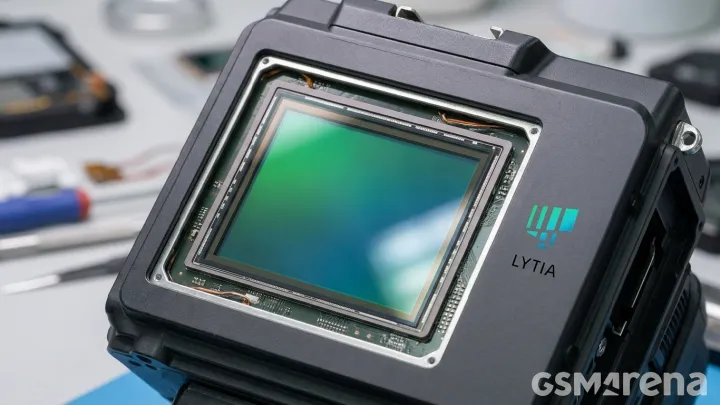
The real statement is that Sony is trying to retire multi‑frame HDR stacking for many scenes, using hardware rather than software gymnastics. Triple Conversion Gain on the Lytia 910 switches between low, mid and high conversion gain states at the pixel level, manipulating full‑well capacity and read noise so a single exposure can preserve highlight detail while still pulling texture from shadows in high‑contrast scenes.
The headline video claim is equally aggressive. By pairing LOFIC, which introduces a lateral overflow integration capacitor to extend charge storage, with fast readout circuitry, the sensor is specified to record 4K 60fps HDR without resorting to alternating exposure frames. That avoids ghosting artifacts common in interleaved HDR modes and reduces motion‑induced inconsistencies in tone mapping, a frequent weakness in current mobile cameras.
The strategic bet is clear: if Lytia 910 delivers this 100dB performance in mass‑market devices, the center of gravity in phone imaging shifts from computational repair work to sensor‑level signal integrity, and software pipelines become sculptors of a cleaner, denser raw feed rather than emergency triage for blown skies and crushed interiors.
Loading...

