Rare tick-borne infection confirmed in California
2026-06-18
Rickettsia lanei, not a person or a place, is what now unsettles California health officials. A lab-confirmed human infection in a Northern California resident, diagnosed in April, has moved the bacterium from obscure footnote to active file.
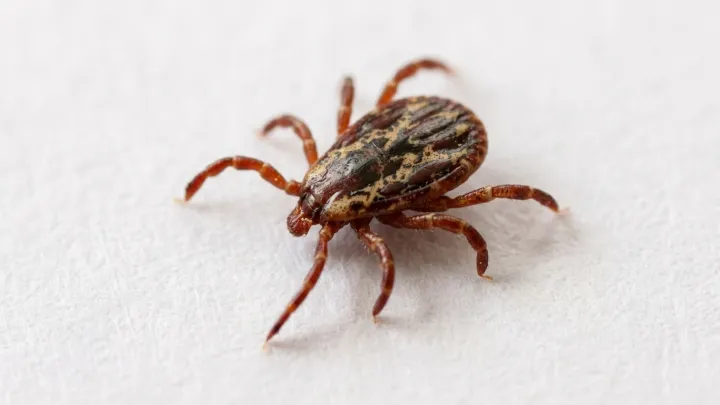
This case matters less for its severity than for what it signals about ecology. Rickettsia lanei belongs to the spotted fever group rickettsioses, the same bacterial cluster as Rocky Mountain spotted fever, and is transmitted by hard ticks through hematogenous spread after a blood meal. The California Department of Public Health reports that the patient was treated and survived, yet the diagnosis forced clinicians to use serology and polymerase chain reaction in a setting where most tick bites are still assumed to carry Lyme disease, not an emerging rickettsial agent.
Public messaging now walks a narrow path between urgency and noise. Officials emphasize that no surge of cases has been detected, but they are expanding tick surveillance and vector testing, watching species distributions and infection prevalence rather than hospital tallies. For residents, the advice remains basic epidemiology: repellents, protective clothing, prompt tick removal, and medical evaluation for fever or rash after a bite. The real shift is quieter, inside laboratories and health departments, where a once-theoretical pathogen has been added to the diagnostic checklist.
Loading...

