Last Americans Exit Nebraska Hantavirus Quarantine
2026-06-23
Silence, not ceremony, marked the end of this quarantine. Inside a specialized biocontainment unit in Nebraska, the final eight Americans exposed to a rare hantavirus outbreak on a cruise ship completed a forty two day isolation period and stepped out declared free of infection by hospital staff.
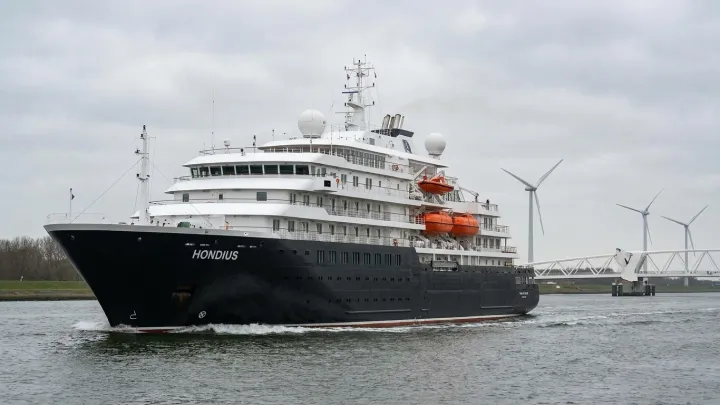
This quiet exit looks almost understated, given what hantavirus can do to lungs and blood vessels when it progresses to hantavirus pulmonary syndrome, a condition with a high case fatality rate and rapid respiratory failure driven by capillary leak and acute hypoxemia. Three passengers linked to the same cruise died after exposure, according to health officials, underscoring why such a long monitoring window was enforced for every close contact of the virus.
The Nebraska unit’s approach may feel extreme, yet it reflects a hard lesson from prior outbreaks of viral hemorrhagic fevers and other zoonotic infections, where incubation periods stretch longer than most patients’ patience. Negative pressure rooms, personal protective equipment protocols and serial polymerase chain reaction testing turned a hospital wing into a controlled experiment in containment, designed not only to protect staff and visitors but also to generate data on how this particular hantavirus behaves in a tightly observed human cohort.
Public health leaders are likely to see this episode less as an anomaly than as a stress test of outbreak playbooks on commercial travel, from contact tracing manifests to cross state coordination of high level isolation units. Cruise operators now face pointed questions about rodent control, environmental sampling and medical surge capacity on board, while health agencies weigh how to apply this experience to the next pathogen that jumps from a hidden reservoir into a crowded leisure setting.
Loading...

