West Nile virus moves early, mosquitoes surge
2026-07-02
West Nile virus is running ahead of the calendar, and that timing shift matters more than the raw case count. Mosquito surveillance programs are detecting infected Culex species weeks before the traditional peak, a pattern public health officials link to warmer nights, heavier rains and the standing water they leave behind.
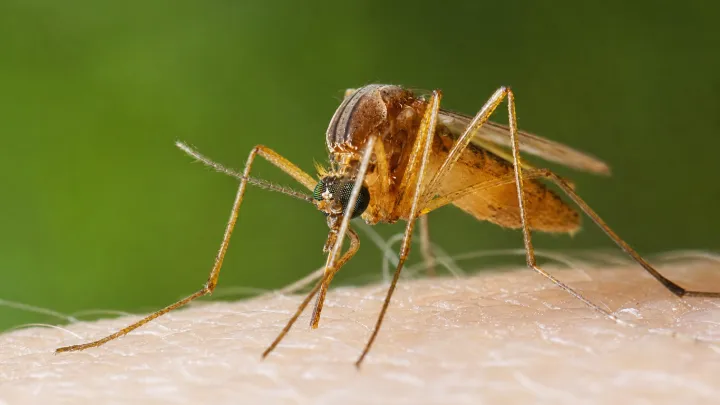
The real threat is not the virus itself but how efficiently modern conditions let it circulate between birds, mosquitoes and humans. Once temperatures stay high, viral replication inside the mosquito accelerates, the extrinsic incubation period shortens, and a larger share of bites become infectious, raising the odds of neuroinvasive disease in older adults and people with weaker immune systems.
Personal protection sounds boring, yet it is the only realistic shield when mosquito control teams are already stretched. Use an Environmental Protection Agency registered repellent containing DEET, picaridin or oil of lemon eucalyptus on exposed skin, wear long sleeves and pants outdoors in the evening, and install or repair window screens to cut indoor exposure when mosquitoes ride humid air into bedrooms.
The most underrated step is eliminating breeding sites before they turn invisible in routine life. Empty buckets, gutters, birdbaths and clogged drains so that water does not sit for more than a few days, support local vector-control alerts, and treat early West Nile reports not as background noise but as a seasonal smoke alarm.
Loading...

