CDC warns of early, intense West Nile wave
2026-07-02
Forty-eight confirmed West Nile virus infections already mark a troubling start, CDC data suggest, and the agency is now pressing for aggressive mosquito-bite prevention as temperatures climb and mosquito activity expands across multiple regions.
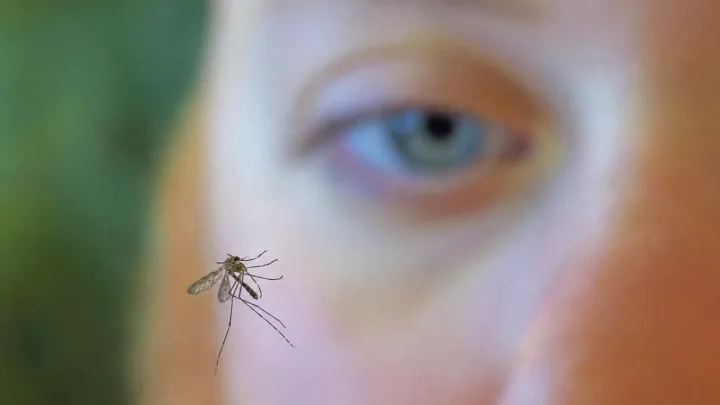
This season looks worse not because the virus has changed, but because conditions have. Warm, wet stretches accelerate Culex mosquito breeding and shorten the extrinsic incubation period, the span in which the virus multiplies inside the insect. That compression of time raises the odds that a single infected mosquito can transmit West Nile virus to several humans or birds before it dies.
Public health officials argue that personal protection is the fastest available intervention, even as local governments scale up larvicide use and surveillance programs. Long sleeves, EPA-registered repellents containing DEET or picaridin, and window screens interrupt the basic transmission cycle of vector, host, and virus. Removing standing water from gutters, buckets, and birdbaths strips mosquitoes of breeding sites and supports broader vector control campaigns already under strain.
CDC guidance stresses that most infections remain asymptomatic, yet a minority progress to neuroinvasive disease involving encephalitis or meningitis, which can cause lasting neurologic damage. With early case counts already elevated, the agency is betting that simple household steps, repeated widely, can blunt a season that is arriving sooner and hitting harder than health departments expected.
Loading...

