Boy dies from rabies after bat encounter
2026-07-02
Silence can be deadly with rabies, and this case shows how quietly the virus advances. A journal report describes how a boy on vacation in Ontario woke to a bat on his face, brushed it away, and appeared unharmed. No bite marks were documented, no emergency prophylaxis was started, and family and clinicians initially saw little cause for alarm in the absence of obvious wounds.
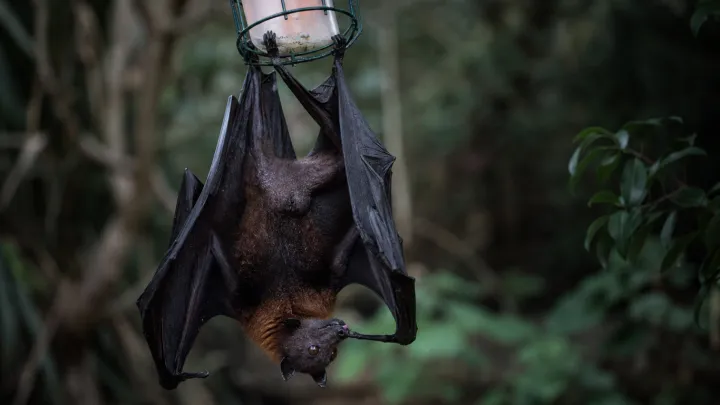
The tragedy, specialists argue, lies in how rabies virus travels through peripheral nerves toward the central nervous system while the patient feels well. Post‑exposure prophylaxis, combining wound cleansing, rabies vaccine, and in some cases human rabies immunoglobulin, can interrupt that axonal transport if begun early. In this instance, symptoms emerged only weeks later: fever, anxiety, and neurological changes consistent with encephalitis, by which time supportive care was the only option.
Public health officials often insist that any direct contact with a bat near the head should trigger urgent assessment, and this report underlines why that standard is unforgiving. Once clinical rabies develops, case‑fatality approaches totality despite intensive care and antiviral attempts. The boy’s death now serves less as an anomaly than as a stark reminder that even a fleeting bat encounter during a family trip can demand immediate, aggressive prevention.
Loading...

