West Nile virus found in Nashville mosquitoes
2026-07-02
West Nile virus is now part of Nashville’s summer script, whether residents are ready for it or not. Health officials confirmed that routine mosquito surveillance picked up the virus in local insect pools, marking the first documented presence in the city and adding this southern state to a growing map of detections across the region.
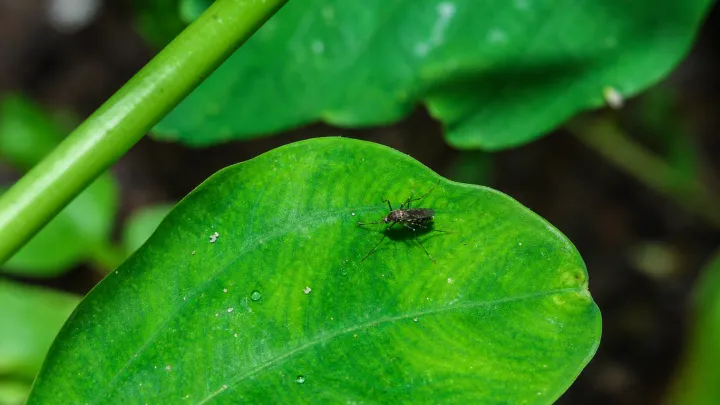
The uncomfortable truth is that the virus itself is not the most immediate variable; human behavior is. West Nile virus, a flavivirus transmitted by Culex mosquitoes, usually produces no symptoms, yet a small fraction of infections progress to neuroinvasive disease, including encephalitis and meningitis, when the virus crosses the blood–brain barrier and triggers inflammatory cascades in the central nervous system.
Public health guidance may sound almost embarrassingly simple, but the evidence behind it is not. Officials are urging residents to drain standing water where mosquitoes breed through their aquatic larval stages, maintain window and door screens, and apply repellents containing N,N-diethyl-meta-toluamide, better known as DEET, which interferes with mosquito olfactory receptors and reduces biting rates in controlled field trials.
The larger concern is that this detection hints at a wider ecological shift rather than a one-off anomaly. Warmer nights, altered rainfall patterns, and expanding urban heat islands can extend the mosquito breeding season and boost vectorial capacity, giving West Nile virus more opportunities to circulate silently through birds, insects, and, eventually, unsuspecting humans.
Loading...

