Boy’s rabies death after bat encounter
2026-07-03
Silence inside a rented cottage became the setting for an almost textbook failure of prevention. A bat landed on an 11-year-old boy’s nose and mouth as he slept in a northern Ontario bedroom, according to a case report in the Canadian Medical Association Journal, and that brief contact set off the chain that ended his life.
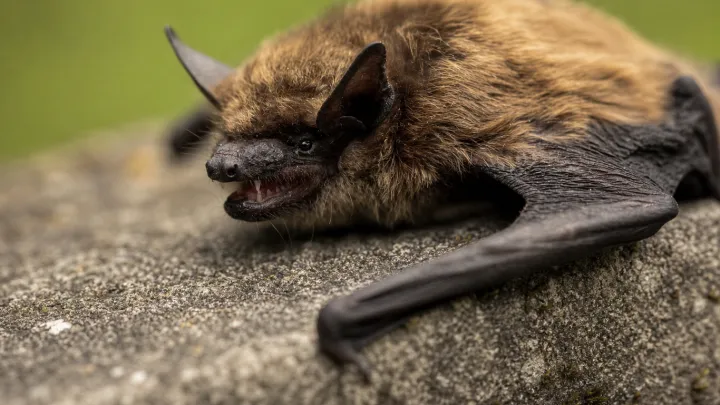
This tragedy highlights how unforgiving rabies biology is once symptoms appear. The virus, a Lyssavirus, travels along peripheral nerves through axonal transport toward the central nervous system, often without any dramatic skin wound. The boy reportedly removed the bat and washed his face, and his family later captured the animal and released it outdoors, unaware that any direct contact with a bat’s mouth or claws should trigger urgent post-exposure prophylaxis, including rabies immunoglobulin and vaccine.
The harsher truth is that the medical system only gets one real chance with rabies. Public health guidance treats any bat found on a sleeping person, a child, or an intoxicated individual as a high-risk exposure because tiny bites can be invisible and painless. In this case, no post-exposure prophylaxis was started before the boy developed fever, neurological symptoms and progressive encephalitis, stages at which standard vaccine protocols no longer work and case fatality approaches one hundred percent. His story now serves as a stark signal for clinicians and families in regions where bats are common and rabies remains rare enough to be underestimated.
Loading...

