Google rewrites the founding myth with AI
2026-07-05
Advertising rarely hides its ambitions, and this new Google spot wants to rewrite civic memory. A parchment scroll fades into a glowing cursor, and the Declaration of Independence appears not as ink on paper but as a shared document inside Google Workspace, outfitted with AI suggestions and tidy comment threads. Where quills once scratched, smart chips hover; where crossed-out clauses once signaled conflict, revision history quietly logs each change, as if political rupture could be captured by version control software.
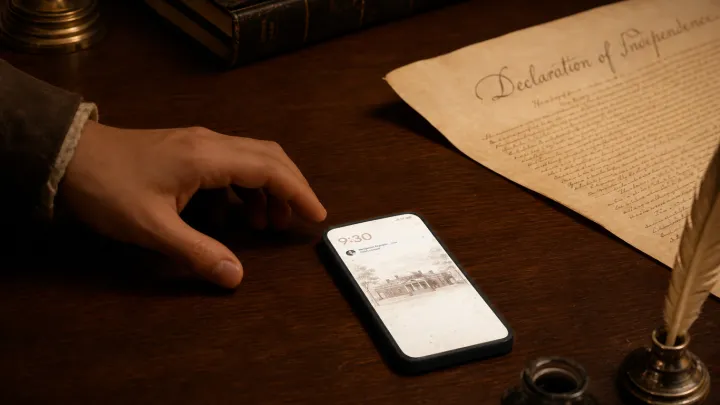
The message is blunt. Collaboration, Google insists, now lives inside its productivity stack, with generative text tools stepping into the role once played by harried scribes and legal aides. AI here is framed as copy editor and research assistant rather than author, surfacing alternative phrasings while the human delegates, framed offscreen, supposedly retain agency. That framing dodges the harder question of authorship, because any system trained through large-scale corpus ingestion inevitably nudges style and structure, even when it only proposes minor edits.
What feels most pointed, though, is the way the ad fuses patriotic iconography with corporate software branding. By placing a founding charter inside a familiar doc window, Google attempts to leverage democratic legitimacy as a kind of reputational moat around its AI push, assuring viewers that machine assistance and self-government belong in the same frame. The result is polished, persuasive, and faintly unsettling, a reminder that the next great public debate about consent and authority may arrive not in a chamber, but in a sidebar.
Loading...

