Stanley Gartler, iconoclast of tumor origin theory
2026-07-05
Cancer theory, not personality, made Stanley M. Gartler matter. His death at 102 closes a chapter in which a quiet geneticist pushed oncology away from vague notions of malignant chaos and toward the stark claim that a tumor begins as one rogue cell carrying one initiating mutation.
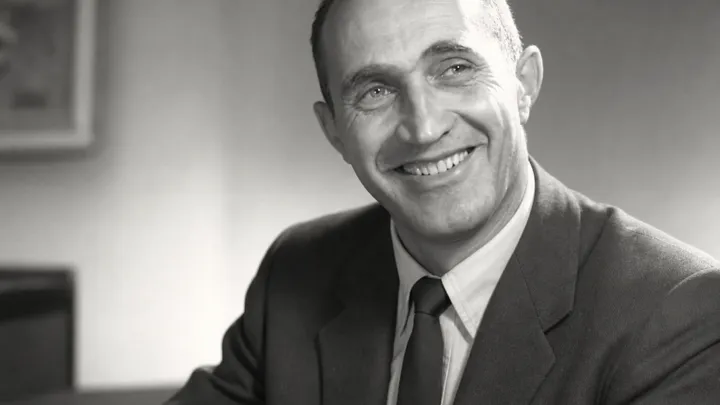
That claim sounded narrow. It was not. By using enzyme polymorphisms and X‑chromosome inactivation as readouts of clonal origin, he argued that solid tumors behave like monoclonal expansions, where a single transformed progenitor undergoes unchecked mitosis, accumulates further somatic mutations, and then fans out into heterogeneous subclones that still trace back to one founding genome.
His second heresy cut even deeper into laboratory comfort. In a now‑famous analysis of supposed independent cell lines, Gartler showed that many carried the same genetic markers as tissue taken from Henrietta Lacks, revealing that the aggressive HeLa line had silently invaded flasks and incubators, corrupting experimental controls and calling years of published work into question.
Ethics, method, and biology collided in that finding. By tying HeLa overgrowth to specific allelic markers and karyotypic features, he forced researchers to confront both the unconsented origin of those cells and the fragility of their own quality control, helping to establish modern authentication standards that treat cell identity as a measurable, not assumed, variable.
Obituaries often overstate influence; his feels almost underplayed. In the quiet routines of tumor sequencing, clonal evolution models, and mandatory cell‑line verification, Gartler’s imprint persists like a faint but unmistakable band on a laboratory gel.
Loading...

