Cyclosporiasis surge triggers probe in New York
2026-07-10
Nearly 400 confirmed infections in one state should end any illusion that this parasite is rare. Cyclosporiasis, caused by the protozoan Cyclospora cayetanensis, has sickened hundreds across the country, with New York reporting the largest known cluster since early spring. Health departments and federal investigators are tracing patient interviews, purchase records, and distribution logs to pin down which fresh food item carried the microscopic organism into the retail supply chain.
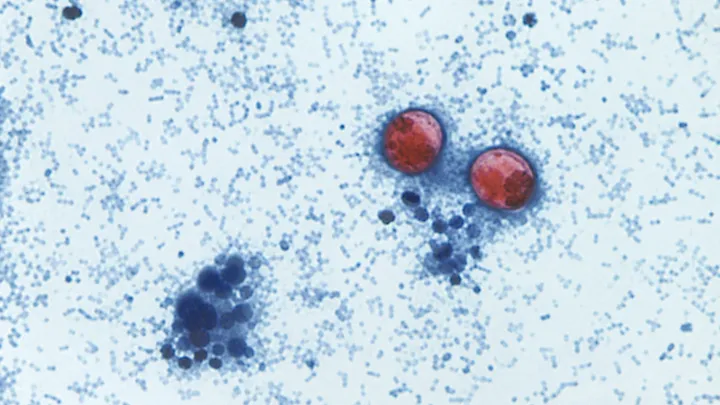
What alarms epidemiologists most is not the case count but what it implies about surveillance blind spots. The parasite lodges in the small intestine, triggering diarrhea, cramping, and weight loss, and it spreads when human fecal contamination reaches produce that is eaten raw. Because the incubation period can stretch for more than a week, standard traceback methods and routine stool testing often lag behind exposure, allowing contaminated shipments to move through multiple wholesalers before any recall is considered.
Regulators now face an unflattering question: how many more infections go untested while they search for a single contaminated commodity. Investigators are relying on molecular typing tools, including polymerase chain reaction assays, to distinguish Cyclospora from other causes of gastroenteritis and to link patients who never visited the same store. Until a specific product is named and pulled, public guidance remains broad and frustratingly vague, urging clinicians to request targeted lab tests and consumers to report persistent gastrointestinal illness.
Loading...

