T. rex fossil set for record-breaking sale
2026-07-12
$30m is a blunt number for a relic of deep time, and it signals how fossils now trade like blue‑chip art in New York’s high‑end auction rooms. A nearly complete Tyrannosaurus rex skeleton, dated to roughly 67 million years in age, is being promoted as a contender for the most expensive dinosaur ever sold.
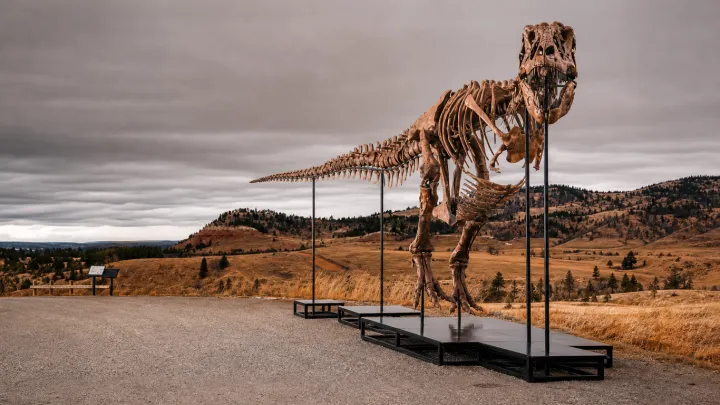
This sale looks less like science and more like asset allocation, yet the fossil itself is scientifically rare enough to unsettle researchers who track vertebrate paleontology. Catalog notes emphasize the articulated skull, the high percentage of original bone, and the documented excavation history, features that increase both research value and market price in a tight, opaque collectibles ecosystem.
The striking part is not only the estimate but the venue, because a New York auction house can leverage global wealth and turn prehistoric bone into a status object with secondary market potential. Past headline sales have already pushed museums into a zero-sum contest with private buyers, forcing institutions to seek philanthropy, closed-loop funding models, or to watch specimens vanish into climate‑controlled vaults.
What hangs in the balance is basic access, since once a T. rex disappears into a private collection, imaging, morphometric analysis, and comparative anatomy all depend on the owner’s goodwill rather than on open institutional policy.
Loading...

