Rare childhood cancer cluster alarms SoCal suburb
2026-07-13
An affluent zip code now looks less like a safe haven than a case study in medical anxiety. A handful of local families have reported children diagnosed with an extremely rare cancer, turning what looked like statistical noise into a suspected cluster under quiet review by health officials.
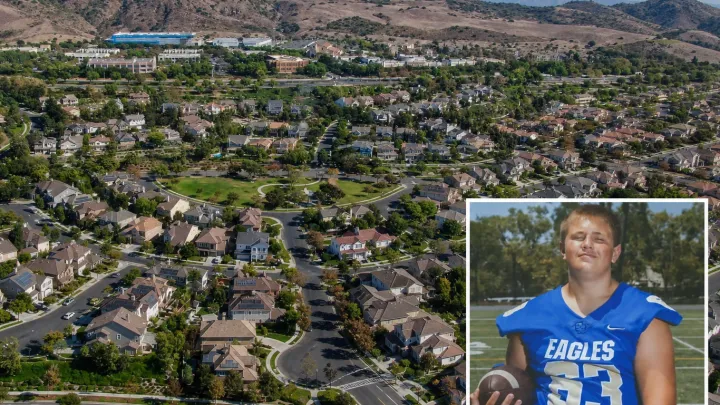
The unsettling part, residents say, is not only the disease but the pattern. Cases of aggressive pediatric tumors such as neuroblastoma and other solid malignancies are appearing within a tight radius, in homes that share school districts, sports fields and, potentially, groundwater and air. Epidemiologists caution that clusters often dissolve under scrutiny, yet each new diagnosis narrows the odds that this is random, and parents now trade pathology terms like oncogene and biopsy result as casually as weather small talk.
Local authorities insist they are following protocol, but the machinery moves slowly when incidence rates are low, data are scattered across hospital systems, and environmental sampling requires multiple agencies to sign off. In that gap, neighborhood message boards fill with maps, suspected plumes from industrial solvents, and debates over whether to push for a formal cancer‑cluster investigation or hire private toxicology consultants who promise faster answers at a steep price.
Loading...

