Iron lung era closes with death of Martha Lillard
2026-07-13
A metal cylinder, not a hospital chart, best explains the end of an era. Inside that pressurized shell, Martha Lillard spent most nights of her life, her chest rising only as negative pressure ventilation forced air into lungs that poliomyelitis had partly silenced in childhood.
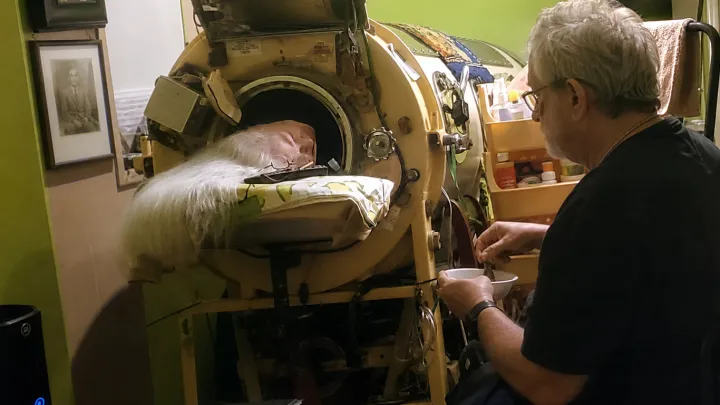
Her death at seventy‑eight feels less like a medical footnote than a quiet verdict on what uncontrolled infection can steal. Struck by polio at five, Lillard survived the acute viral assault on her anterior horn motor neurons but never recovered enough diaphragmatic function to breathe unaided during sleep, so she relied on the towering iron lung while classmates moved on to careers, families, ordinary fatigue instead of respiratory failure.
It is tempting to treat her story as antique, yet it exposes how modern medicine still negotiates trade‑offs between invasive positive‑pressure ventilators and older negative‑pressure devices. Lillard chose the archaic machine over tracheostomy and long‑term intubation, accepting the ritual of being slid into the cylinder so that she could keep her voice, her face unobstructed, and a measure of control in a life defined by machinery.
What lingers is not the hardware but the discipline it demanded. While vaccines erased new wards of paralyzed children, one woman continued to sleep inside a humming tube, a reminder that progress rarely releases its earliest survivors from the full cost of survival.
Loading...

