Microsoft tests deeper Android–Windows 11 fusion
2026-07-13
Phone Link, not the Start menu, now looks like Microsoft’s real bet on keeping Windows 11 relevant to Android users. Reports point to an aggressive expansion of the app from a simple mirroring tool into something closer to a cross‑device control layer that treats the phone as an attached peripheral rather than a distant companion screen.
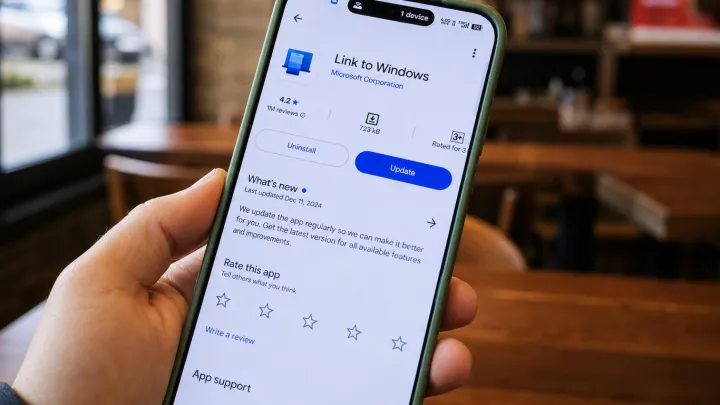
What matters here is not another shiny Windows feature but the quiet shift in where personal computing sessions begin and end. By deepening support for message sync, screen casting and app streaming, Microsoft is trying to anchor session continuity and notifications on the desktop, while Android handles radio stacks, sensors and identity. Underneath that strategy sit familiar concepts from distributed systems and remote procedure calls, now repackaged as tap‑friendly tiles and panels.
The bolder prediction is that Windows will slowly become an orchestration shell for Android hardware instead of the other way around. Tighter Phone Link hooks into system settings, Bluetooth and file management would turn Windows 11 into a kind of local control plane, with the phone acting as compute and connectivity edge node. For Microsoft, success would not be measured in app store installs but in how rarely users notice which device actually executed the action they just clicked.
Loading...

