Inside the last American iron lung vigil
2026-07-14
Metal, not medicine, framed the center of her days, as the iron lung’s cylindrical shell gripped everything but her head and turned breathing into a mechanical contract with air and steel. Around that sealed chamber, a family learned to measure time not by clocks but by the steady thump of negative pressure cycling through the machine.
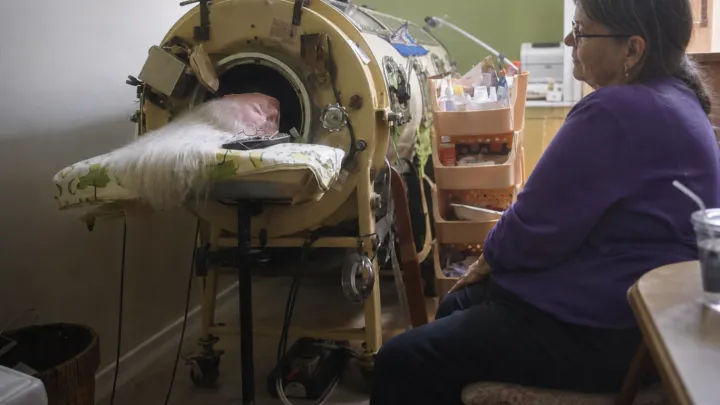
It sounds brutal, yet her sister argues it was structure, not suffering, that defined that life, describing to the BBC how the machine’s negative-pressure ventilation and rigid cuirass replaced the work of a paralyzed diaphragm and intercostal muscles. She recalls nurses checking tidal volume, technicians coaxing a failing motor back, and the constant calibration of risk: a power cut, a loose seal, a respiratory infection that could overwhelm weakened alveoli within minutes.
The harder claim she makes is that technology did not carry the story; temperament did, as the last known long‑term user of such a device in the country refused to surrender identity to hardware. She speaks of books balanced near the mirror, of phone calls held sideways so sound could reach the patient’s ear, of painstaking physiotherapy that never restored neuromuscular function yet guarded circulation and dignity. Where public health now celebrates inactivated poliovirus vaccine and herd immunity, the sister’s account insists that history also lives in one narrow chamber, where mechanical ventilation and stubborn resolve shared equal credit for every borrowed breath.
Loading...

