Eating Safely During Cyclosporiasis Alerts
2026-07-16
Contamination, not panic, should set the tone for home kitchens as cyclosporiasis cases rise and diarrhea dominates clinic waiting rooms. The parasite Cyclospora cayetanensis spreads when microscopic oocysts, shed in human stool, reach food or water and survive standard rinsing. Unlike many bacteria, this protozoan resists routine chlorination and can cling to delicate surfaces on berries, leafy greens, and herbs.
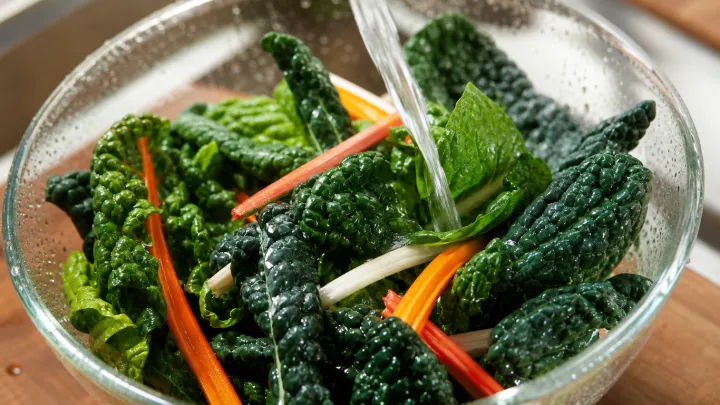
The blunt truth is that peeling and scrubbing now matter more than brand labels or “prewashed” claims. Experts advise running whole fruits and firm vegetables under clean running water, then using friction with clean hands or a dedicated produce brush to disrupt biofilms and dislodge oocysts. Soft items such as raspberries or cilantro should be rinsed gently but thoroughly, with damaged or slimy pieces discarded, because moist crevices can protect the parasite.
Cooking, not clever packaging, remains the most reliable barrier. Heat that brings vegetables to a visible simmer can inactivate Cyclospora, while refrigeration alone does nothing to kill it, only slowing bacterial growth. Ready-to-eat salads, garnishes, and salsas carry higher risk if they rely on raw imported produce from regions with limited wastewater control, since the infection cycle depends on fecal contamination in agricultural water.
Kitchen discipline, rather than exotic disinfectants, offers the best return on effort. Use separate cutting boards for raw meat and fresh produce to avoid cross-contamination, wash hands with soap before handling food, and keep washed items in clean containers to prevent re-exposure. Chemical sanitizers sold for produce may reduce microbial load but cannot guarantee removal of every Cyclospora oocyst, so mechanical cleaning and, when possible, cooking remain the core defense.
Loading...

