The Salad Green That Keeps Making People Sick
2026-07-17
Lettuce, not meat, has become the stealth star of modern food-poisoning scares. Its mild crunch looks harmless, yet regulators say leafy greens now sit near the top of outbreak investigations across multiple pathogens and regions.
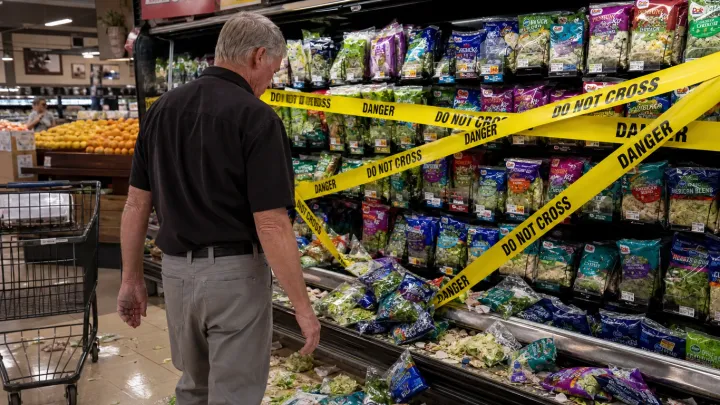
The uncomfortable truth is that lettuce is built for contamination. Broad leaves act like pathogen landing pads, while microscopic stomata and surface crevices give bacteria such as Shiga toxin–producing Escherichia coli and Salmonella a sheltered grip that simple rinsing rarely dislodges. Because lettuce is eaten raw, there is no thermal inactivation step; the usual kill switch of high-temperature cooking never happens, so whatever survives the field reaches the fork intact.
Even more problematic is the way this crop moves. Long, complex supply chains leverage centralized washing and cutting facilities, turning a single tainted irrigation source or a bit of contaminated manure into a closed-loop distribution system for microbes. A handful of contaminated heads can seed thousands of salad bags, each stamped with a different brand identity that obscures a common origin. Traceback becomes a slow race against ongoing exposure, and by the time genetic subtyping and epidemiologic mapping isolate a farm or packing line, the product is usually eaten or discarded.
So the supposed health icon of the plate doubles as a high-risk vehicle for gastrointestinal pathogens, and the pause in carefree salad days may last as long as fields, water, and industrial processing remain this tightly intertwined.
Loading...

