How Testosterone in Politics Undermines Key Medical Limits
2026-07-17
Only a minority of testosterone use looks like medicine at all. New data suggest about twelve percent of prescriptions match formal diagnostic criteria for hypogonadism, with documented low serum levels and related symptoms, while the rest cluster in a gray zone of fatigue, aging anxiety, and performance branding.
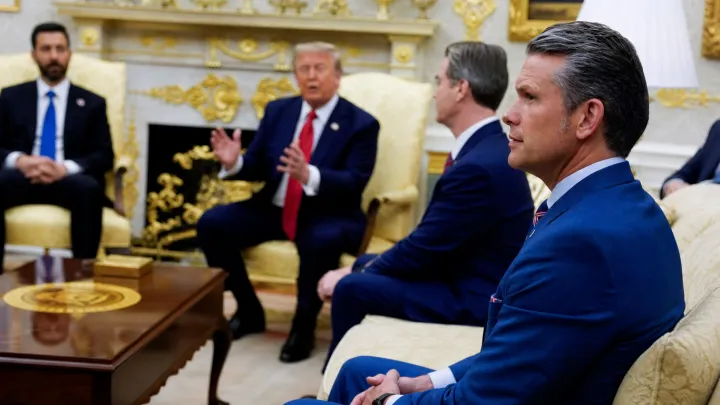
What Washington is now offering is acceleration, not restraint. Federal regulators and lawmakers are weighing looser rules around telehealth prescribing and online compounding, softening long‑standing controls on a Schedule III controlled substance that can suppress endogenous gonadotropin secretion and alter lipid metabolism in subtle but measurable ways.
Trump’s rhetoric pushes that trend from ambiguity toward endorsement. By casting testosterone as a symbol of strength and national vigor, he recodes a targeted endocrine therapy into a lifestyle upgrade, inviting voters to see barriers like prior authorization and endocrine work‑ups as elitist friction rather than basic safeguards.
The result is a market that treats lab thresholds as optional. Commercial clinics advertise “optimization” packages, direct‑to‑consumer platforms normalize long‑term androgen exposure with minimal monitoring of hematocrit or prostate specific antigen, and the small slice of patients with organic testicular failure is folded into a much larger story about mood, masculinity, and demand.
Loading...

