Security Threats Stall Ebola Effort in Congo
2026-07-19
Security, not the virus, now sets the pace of the Ebola response in Ituri province. Health teams move only when armed escorts are cleared; vaccination lines form only where patrols have just passed; contact tracing stalls the moment gunfire is heard near a village.
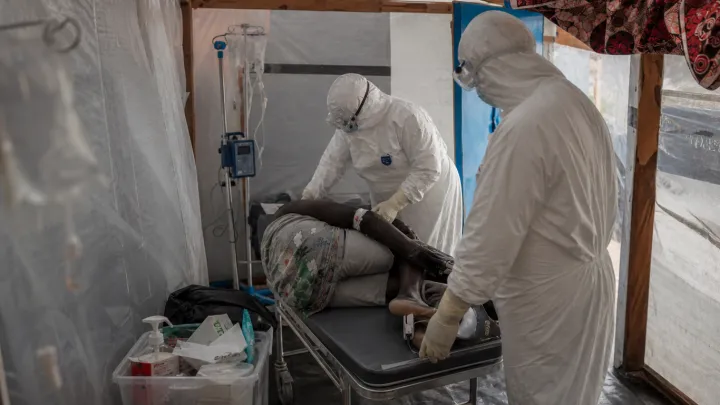
Officials say more than a dozen attacks on clinics, treatment centers and mobile teams have been recorded across the outbreak zone, a pattern that has turned infection control into a high‑risk operation. Each assault pushes responders back toward larger towns, shrinking the effective catchment area and leaving suspected cases in remote settlements without rapid access to isolation units or reverse‑transcription polymerase chain reaction testing.
This violence is quietly rewriting the basic playbook of epidemic control. Instead of aggressive door‑to‑door surveillance and ring vaccination using rVSV‑ZEBOV, coordinators now weigh every field visit against security briefings, reroute supply convoys, and accept longer delays between symptom onset and safe burial. Communities already wary of outside intervention see armored vehicles arrive where simple outreach once sufficed, deepening mistrust just as health authorities need fast reporting of fever and unexplained deaths.
Loading...

