Outbreak Steers NC Shoppers To Local Stalls
2026-07-20
Fear, not nostalgia, is filling carts at the State Farmer’s Market. Stacks of tomatoes and peaches sit under hand-lettered signs while health officials track an expanding cluster of cyclosporiasis cases across North Carolina, working through epidemiologic interviews and trace-back investigations to identify which batch of fresh produce carried Cyclospora cayetanensis into home kitchens.
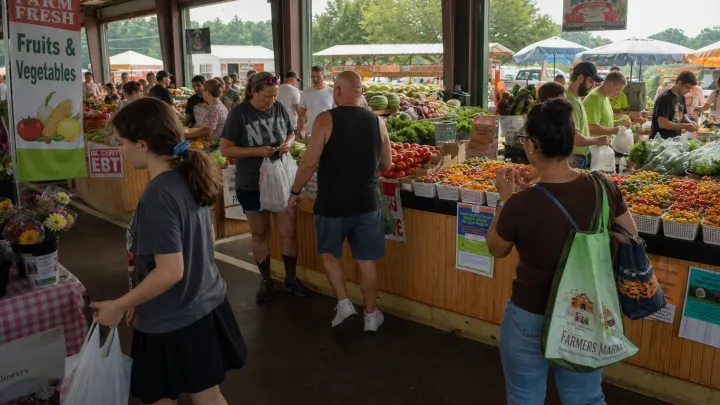
Local growers argue this shift is overdue. They say shoppers finally see the difference between produce that can be traced to a person and a field, and anonymous items routed through long supply chains where Hazard Analysis and Critical Control Points exist mostly on paper for the consumer. Market managers report vendors selling out earlier in the day, with some farms doubling typical weekend volume as buyers ask pointed questions about harvest dates, washing practices, and whether any product is imported or repacked.
Skeptics note that local does not equal sterile. Yet public health officers quietly acknowledge that shorter distribution chains simplify outbreak mapping, reduce cross-contamination risk in aggregation facilities, and let investigators align stool sample results and purchase histories with specific farms rather than distant packing houses. For now, the busiest stalls are those where the farmer can answer every question without checking a label.
Loading...

