Ozempic’s Promise Meets Its Hidden Costs
2026-07-22
Ozempic’s success looks less like a triumph than a trade. For people with obesity or Type 2 diabetes, GLP-1 receptor agonists such as Ozempic, Wegovy and Zepbound cut appetite, lower HbA1c, and trigger marked weight loss, often after years of failed diets and escalating insulin doses. Real-world prescribing has exploded far beyond the carefully screened populations in registration trials, pulling in younger patients, people with complex comorbidities, and those seeking cosmetic weight loss, and that broader exposure is rewriting the risk profile.
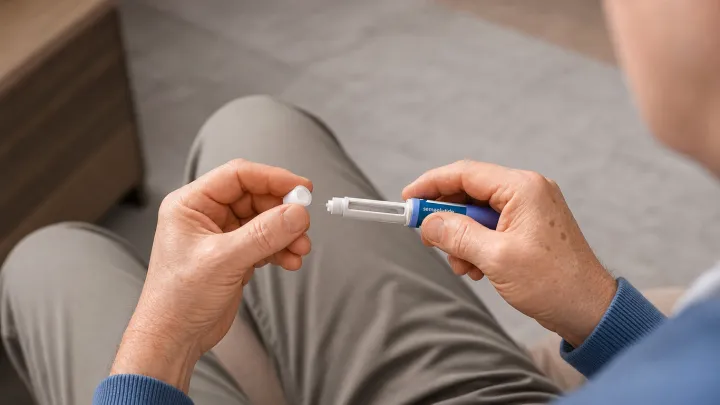
The uncomfortable truth is that the same mechanisms driving benefit are also driving harm. By slowing gastric emptying and acting on the hypothalamus, these drugs blunt hunger and improve glycemic control, yet clinicians are now reporting severe nausea, persistent vomiting and bowel obstruction, alongside gallbladder disease and pancreatitis in some users. Rapid weight loss can strip lean body mass and lower bone mineral density, raising concern about sarcopenia and fractures in older adults. Discontinuation often leads to weight regain and rising glucose, suggesting long-term, possibly lifelong, therapy for many, with costs that strain insurance systems and leave lower-income patients cycling on and off treatment.
What looks like a miracle drug class is instead exposing a fragile metabolic care model. Endocrinologists warn that without parallel attention to nutrition, resistance training and cardiovascular risk, GLP-1 prescriptions risk becoming an expensive monotherapy that shifts, rather than resolves, disease burden. Regulators face pressure to update safety labels as pharmacovigilance databases fill with case reports that never appeared at scale in early trials. On pharmacy shelves and in crowded waiting rooms, the quiet contest between transformative benefit and accumulating risk is only just beginning.
Loading...

