Chikungunya surge reshapes risk in Samar
2026-07-25
Numbers, not headlines, tell the harsh story first. A total of 329 suspected chikungunya cases has accumulated in Samar over recent months, according to the Provincial Health Office, with no fatalities but a clear geographic concentration. Basey accounts for 199 suspected infections, Gandara for 121, turning two municipalities into the epidemiologic core of a wider provincial scare.
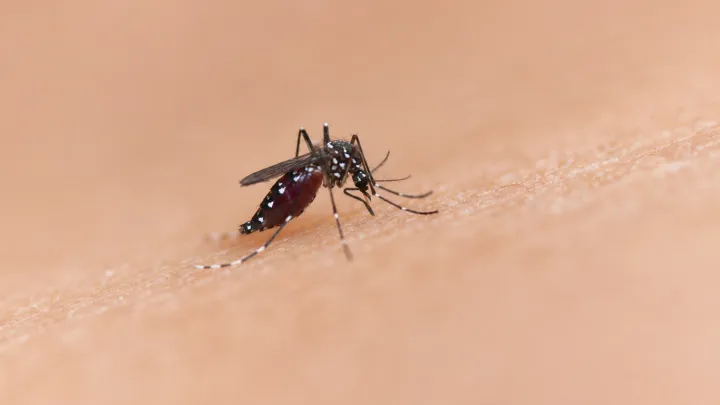
This is less a mystery than a predictable consequence of vector biology. Local officials link the spike to dense populations of Aedes aegypti and Aedes albopictus, the primary arthropod vectors for chikungunya virus transmission, thriving in water-filled containers and cluttered yards. Surveillance data mark a sharp rise from epidemiologic week 23, a peak at week 26, and a demographic skew toward residents aged 10 to 29, underscoring how exposure patterns and biting behavior intersect.
Awareness, though often treated as an afterthought, has become Samar’s main defensive tool. During a recent flag-raising ceremony, the Provincial Health Office turned a routine government ritual into a crash course on febrile illness, joint pain, and vector-borne transmission, urging employees to seek prompt consultation at nearby facilities. Printed Information, Education, and Communication materials circulated through offices, a low-tech counterpart to laboratory diagnostics, designed to move knowledge from desks into homes and neighborhoods where Aedes mosquitoes actually breed.
The pattern is familiar in global health, yet in Samar it feels sharply local. Reported monthly totals have begun to decline from a June high of 206 cases to 108 in the following month, hinting at some effect from intensified messaging and control, even as ongoing transmission persists. Somewhere between those fluctuating curves and the hum of mosquitoes over backyard containers lies the real measure of whether this campaign is arriving in time.
Loading...

