Ateneo team tests AI for silent heart stress
2026-07-31
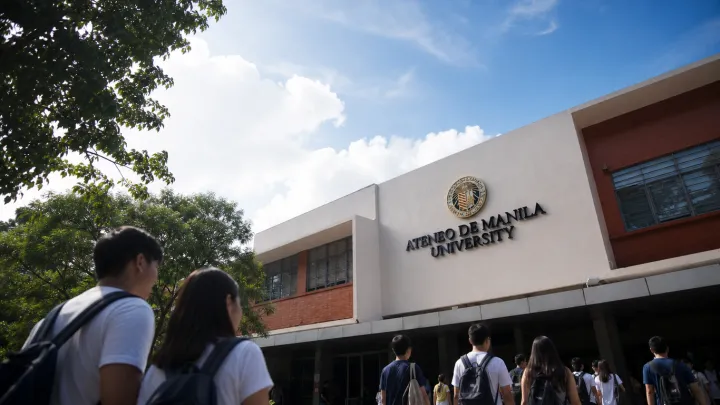
Silent strain, not dramatic collapse, is where this project aims its firepower. At Ateneo de Manila University, a research team has trained an artificial intelligence model on continuous cardiovascular signals captured from patients wearing sensor stickers on their skin, turning routine monitoring into a data-rich diagnostic feed.
What sounds like yet another gadget is in fact a bet on hemodynamics as an early warning system. Instead of waiting for chest pain or abnormal electrocardiograms, the model ingests heart rate, stroke volume index, and cardiac output, then searches for patterns associated with emerging cardiac stress, using supervised learning methods familiar in clinical decision support systems.
The choice of noninvasive stickers is more than a comfort upgrade. By relying on surface sensors rather than catheters, the team lowers risk and cost, while still extracting beat-to-beat data streams that can feed regression models and classification algorithms without interrupting routine care, a design that makes bedside deployment in ordinary wards or outpatient clinics more plausible.
The ambition, though modestly framed, is unmistakable. If the model proves reliable across diverse patients and comorbid conditions, it could shift some aspects of heart monitoring from episodic checks to continuous risk scoring, giving clinicians a quantitative view of subtle shifts in cardiac output long before they escalate into emergencies.
Loading...

