Young Adults Face a New Cancer Burden
2026-08-03
Cancer is quietly skewing younger. In clinics from Singapore to other high‑income hubs, oncologists report more patients in their 20s, 30s and early 40s, even as overall survival improves. Epidemiologists point to rising incidence of colorectal, breast and thyroid malignancies in these age bands, a pattern linked to obesity, sedentary work and disrupted circadian rhythm.
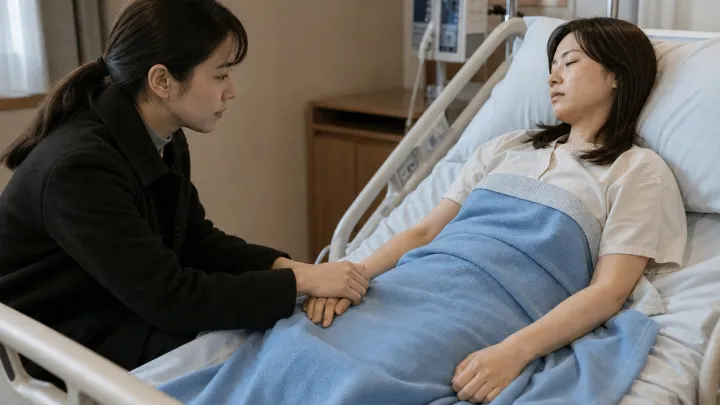
The harder truth is that biology is only half the story. These tumours often present at a more advanced stage because screening protocols, such as colonoscopy and mammography, are still calibrated around older bodies, so a 30‑year‑old’s rectal bleeding or breast lump is dismissed as benign. Delayed diagnosis intersects with aggressive subtypes and forces oncologists to weigh fertility preservation, gonadotoxic chemotherapy and long‑term cardiotoxicity in the same consultation.
Standard cancer care was built for retirement, not for people mid‑degree or mid‑probation. Treatment collides with childcare, housing loans and fragile early careers; income loss and insurance gaps hit harder when assets are thin. Psychiatrists describe distinctive survivorship issues in this cohort, including identity disruption, dating anxiety and fear of genetic risk, which demand age‑specific counselling, peer support and workplace policies rather than a one‑size geriatric template.
Loading...

