AI Sleep Model Exposes Hidden Death Risk
2026-08-09
Nine thousand six hundred eight sleep studies just embarrassed a trusted metric. A Nature Communications analysis reports that common apnea indices fail to separate patients by survival, while an AI foundation model built by IBM and Cleveland Clinic cleanly stratifies risk using the same raw overnight recordings.
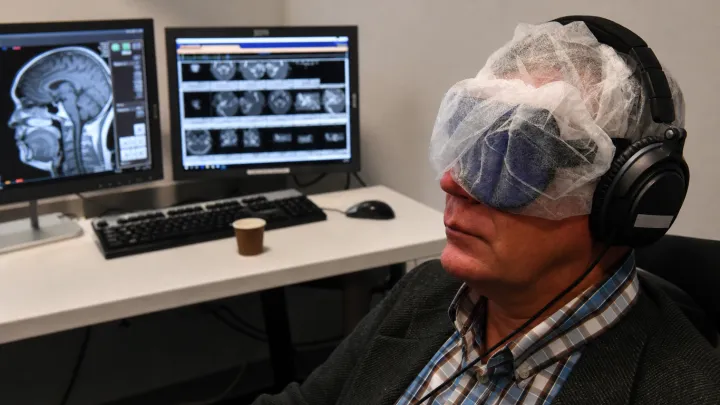
The uncomfortable claim is simple: apnea severity scores are blunt instruments. Traditional measures such as the apnea–hypopnea index compress complex polysomnography into a single frequency count, ignoring temporal patterns, cardiorespiratory coupling and autonomic arousal signatures that neurophysiology and cardiology treat as fundamental. By training on full multichannel signals, including electroencephalography and airflow traces, the foundation model captured latent phenotypes that standard scoring schemes smooth away.
Most striking is the segmentation. From routine sleep studies alone, the model identified five distinct patient groups, each with different mortality profiles, with the highest-risk cluster showing a hazard ratio of 2.71 compared with the lowest. These clusters were validated in an independent cohort, suggesting the effect is not an artifact of overfitting or site bias. For clinicians who have long relied on a single apnea threshold to justify continuous positive airway pressure or alternative interventions, the message is blunt. The data were always there; the risk signal was not.
Loading...

