NYT Strands hints and answer for puzzle 891
2026-08-11
Today’s Strands feels trickier than it looks, because the grid disguises a tight theme under very ordinary letters. The puzzle page offers the usual clue title and the in-game hint system, yet many players burn through their shuffle and hint quota before the pattern snaps into focus. That is when an external nudge, timed well and calibrated carefully, matters more than another random tap on a single tile.
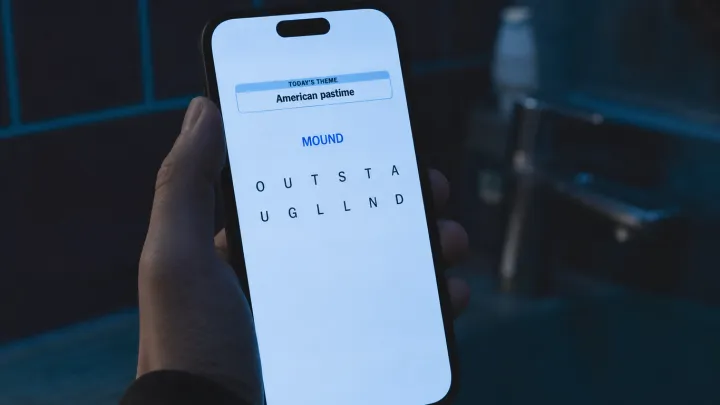
The theme centers on a single idea tied to everyday language, not obscure trivia, so the grid rewards lateral thinking instead of dictionary knowledge. The official clue phrase points toward that shared category, while the spangram cuts across the board in a clean line that touches both top and bottom rows, anchoring the set of related words that branch off it. Spotting that long connector first turns the puzzle from static noise into something almost mechanical: once you see the link, the remaining answers fall out in quick sequence.
For solvers who want structured help, the ideal sequence is simple. First, study the clue title and look for a broad association it suggests, then scan the grid for letter clusters that could extend in at least three directions. Next, hunt for a potential spangram that could name the category itself, using the check feature to confirm tiles as you go. Only after that should you rely on in-game hints to reveal one ordinary themeword at a time, because each confirmed entry tightens the possible reading of the theme and makes the final answers, including the spangram, easier to extract without guesswork.
For puzzle 891, the hidden theme words and the spangram follow that exact logic: once the category label appears as the spanning entry, every remaining word reads like a natural member of the same set, turning a stubborn grid into a quick, almost conversational solve.
Loading...

