Bird flu shatters Australia’s sense of distance
2026-08-11
So much for isolation as a shield. On a Tasmanian beach, a common tern’s body told the story first, its head jerking, its frame trembling and swaying, before it collapsed under what officials later confirmed was a virulent strain of bird flu that many residents had quietly hoped would never breach the continent’s biosecurity cordon.
The arrival feels like a failure of distance. For years, authorities leaned on strict quarantine, surveillance of migratory flyways and routine polymerase chain reaction testing of wild birds, arguing that geographic separation and border controls reduced the probability of incursion. Now carcasses and disoriented seabirds are forcing a rewrite, as veterinary virologists track viral shedding in colonies and warn that dense rookeries act as amplifiers, turning each nesting site into a biological loudspeaker for infection.
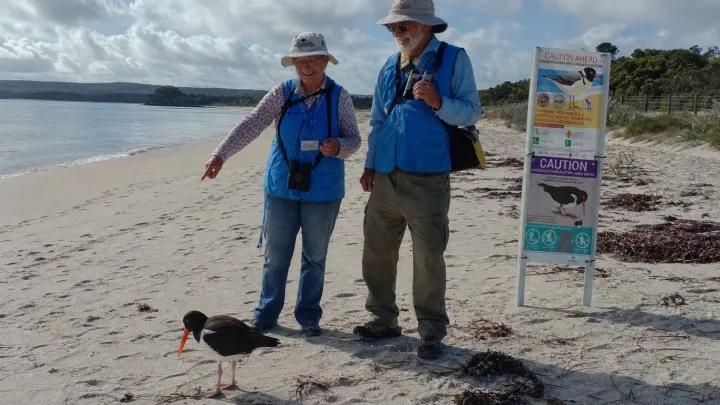
The real frontline is unexpectedly local. Volunteers, not hazmat teams, are pacing shorelines and wetlands, scanning for neurological signs such as loss of coordination, head tilt and seizures, then feeding reports into national surveillance databases designed for rapid epidemiological mapping. That citizen network, stitched together from bird clubs and rescue groups, may be the only thing standing between a contained wildlife event and a broader crisis touching poultry farms, tourism economies and the fragile trust that distance still buys any country time.
Loading...

