Legionnaires’ disease spike in Savoie
2026-08-16
Forty‑three cases in a single French department signal more than random fluctuation. Health authorities with ARS Auvergne‑Rhône‑Alpes report an unusual rise in Legionnaires’ disease in Savoie, with cases detected over several weeks. Most patients required hospital care for acute respiratory failure. Two very elderly people died.
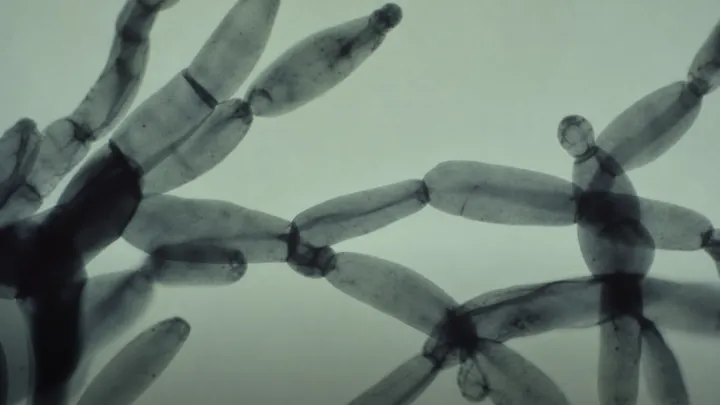
Attention is narrowing on the west of Savoie, which now acts as the geographic hinge of the inquiry. Twenty‑seven of the reported infections involve people who live in or visited the Chambéry basin, pushing investigators toward shared environmental exposures rather than isolated household events. Epidemiological tracing is being paired with environmental sampling across multiple categories of installations.
The working assumption is simple yet demanding: follow the water. Legionella bacteria thrive in warm, stagnant networks and become dangerous when aerosolized, a process that turns showers, spa systems, whirlpool baths, and cooling towers into dispersal devices through fine droplets. Around thirty samples have been drawn from domestic hot water systems, apartment blocks, supermarkets, restaurants, and industrial cooling units, with microbiological analysis under way at the National Reference Centre.
Public health strategy here rests on early clinical recognition as much as on plumbing diagrams. Physicians and emergency departments in the area have been alerted to watch for severe pneumonia with high fever and possible gastrointestinal symptoms, particularly in older adults, smokers, and people with chronic lung disease or immunosuppression. The infection is not transmitted between people, and ingestion of tap water is not considered a risk; inhaled aerosols remain the key pathway.
Loading...

