Fatty Meals Quietly Drive Colorectal Tumor Risk
2026-08-18
Fat on the plate does not just pad the waistline. It rewires the chemistry of the gut in ways that favor colorectal tumors, according to a growing body of experimental and epidemiologic research. When diets are rich in fried foods, processed meats, and fast‑food staples, the liver floods the intestine with bile acids designed to emulsify lipids, and those compounds are then reshaped by gut bacteria into far more aggressive molecules.
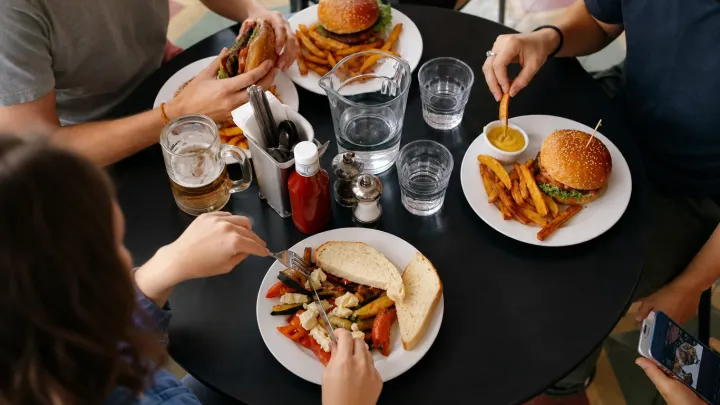
At the center of concern sit so‑called secondary bile acids, such as deoxycholic acid, which laboratory studies link to oxidative DNA damage and to aberrant crypt foci, an early lesion in colorectal carcinogenesis. Animal models fed high‑fat diets show enlarged pools of these acids, increased epithelial cell proliferation, and chronic low‑grade inflammation of the colonic mucosa. Cohort studies echo the signal, reporting higher colorectal cancer incidence among people whose habitual intake of fries, burgers, and similar foods tracks with elevated fecal bile acid concentrations.
What looks like a simple craving for comfort food therefore operates more like a biochemical push toward malignancy, through endocrine‑style signaling between bile acids, gut microbiota, and colon cells. By contrast, patterns of eating built around fiber‑rich grains, legumes, and vegetables tend to dilute bile acid concentrations, foster short‑chain fatty acid production, and support barrier integrity in the intestinal epithelium, leaving fewer openings for tumors to take hold.
Loading...

