Why measles‑rubella shots still matter
2026-08-20
Measles is not a childhood rite of passage; it is a stress test for every health system. When the virus enters a pocket of unvaccinated people, its basic reproduction number, or R0, sends cases soaring with near‑total predictability. Against that kind of transmission efficiency, the World Health Organization argues that only community‑wide measles‑rubella vaccination creates a meaningful safety net.
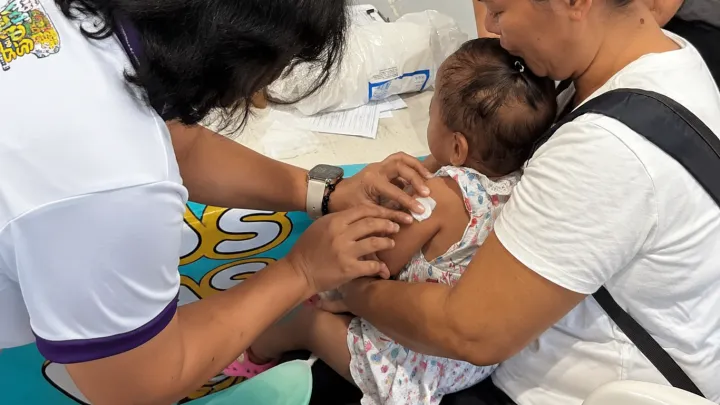
The blunt truth is that partial coverage fails. Herd immunity for measles demands very high uptake, because a single infected person can seed dozens of secondary infections in a susceptible crowd, and that runaway spread then exposes infants too young for shots and adults whose immunity has waned. Rubella adds another layer of risk: without broad vaccination, congenital rubella syndrome quietly damages hearts, eyes, and brains before birth, turning a preventable infection into lifelong disability for newborns.
What makes the measles‑rubella vaccine so strategically valuable is its predictability. A two‑dose schedule drives seroconversion in the vast majority of recipients, and each campaign effectively removes fuel from the chain of transmission, sparing intensive‑care beds, oxygen supplies, and scarce clinical staff from avoidable surges. That is why WHO frames community‑wide coverage not as an optional extra but as core infrastructure for any health system that claims to protect children and pregnancies.
Loading...

