NYU study maps risky cannabis use patterns
2026-08-20
Nearly half of adult cannabis use in the United States is far more conventional than public debate suggests: smoking still dominates. Yet NYU researchers argue the real warning sign is not the joint, but the user who samples almost every product on the shelf, from vapes to edibles to concentrates, within a single pattern of behavior.
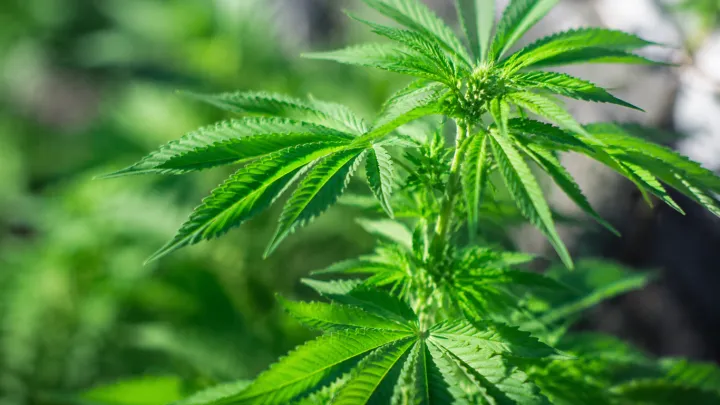
At the core of the study sits a stark contrast. About one in two adult consumers reported mainly smoking, while roughly one in seven reported using cannabis in nearly every available form. That high‑variety group was strongly associated with daily use and with markers of cannabis use disorder, a diagnosis grounded in criteria such as tolerance, withdrawal, and impaired control over consumption.
What looks like variety, the authors suggest, functions more like escalation. Poly‑method users were more likely to ingest higher cumulative doses because each route of administration carries distinct pharmacokinetics, from rapid pulmonary absorption in smoking and vaping to delayed yet prolonged effects through oral ingestion and gastrointestinal metabolism. Those layered effects can reinforce compulsive patterns and make it harder for users to monitor intoxication or reduce intake.
Public health implications are blunt. Regulators have tended to treat product categories as separate markets, yet the data point toward a single behavioral cluster that cuts across joints, gummies, oils, and dabs. For clinicians and policymakers, the more relevant flag is not which product an adult prefers, but how many they cycle through in routine use.
Loading...

