House-to-house vaccines under quiet threat
2026-08-23
Silence on village streets tells a harsher story than any bulletin: turnout for measles-rubella shots remains weak while risk for those delivering them keeps rising. In Central Visayas, house-to-house vaccination has pushed teams far beyond clinic walls, into alleys, farms, and coastal pockets where suspicion and fatigue often meet them first.
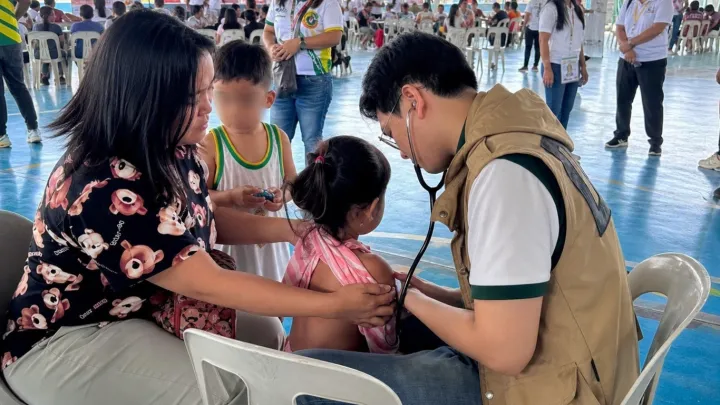
What looks on paper like routine immunization is, in practice, a security gamble. Barangay health workers and vaccinators report verbal threats at gates, intoxicated residents blocking entry, and long walks through isolated areas with no escort, even as they carry cold boxes, syringes, and consent forms. Expanded reach, meant to raise herd immunity and interrupt measles virus transmission, has instead stretched already thin staff into shifts that run past dark, when incidents spike and response options shrink.
The harder judgment from frontliners is blunt: low community demand is no longer just an epidemiologic problem, it is a workplace hazard. Misinformation about adverse events, amplified on messaging apps, has translated into slammed doors and, in some cases, open hostility. Local health offices try to leverage barangay councils and police for ad hoc support, yet coverage targets, cold-chain integrity, and adverse event monitoring still fall on the same small teams. Between the need to prevent outbreaks and the need to keep vaccinators safe, every knock on a stranger’s door has become a quiet calculation of risk.
Loading...

