Rabies Jumps From Land To Sea
2026-08-25
A silent mutation line seems to have redrawn the boundary between shore and surf. Along South Africa’s Atlantic edge, veterinarians now confirm that rabies, long tied to dogs and other terrestrial mammals, has infected wild seals, forcing a rethink of how this virus moves through animal communities and into human risk zones.
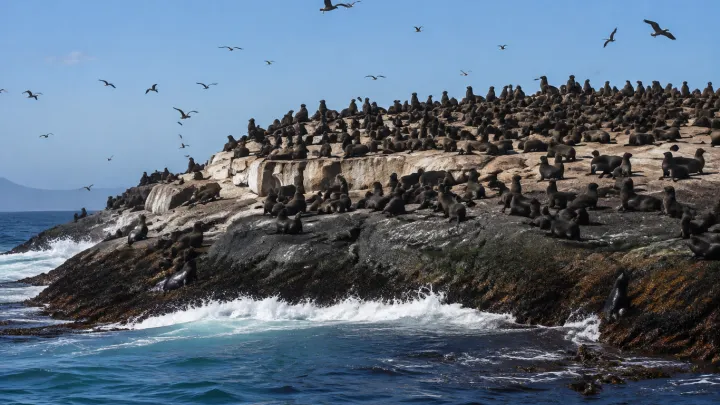
The encounter felt wrong before anyone named it. Debbie Hendrikz, on a routine shoreline walk near Cape Town, crouched to photograph a seal she assumed was merely stressed, only to be lunged at with a guttural sound she says she had never heard from these animals. That attack, and similar reports, triggered laboratory testing that identified lyssavirus infection in seals, an outcome that challenges long‑standing assumptions in marine epidemiology and coastal wildlife management.
This shift matters far beyond one bite. Rabies targets the central nervous system, traveling via peripheral nerves to the brain in a process virologists describe as both efficient and almost impossible to halt once symptoms appear, and its near‑hundred‑percent case fatality in untreated humans gives every new host species outsized importance. Public health officials now weigh expanded post‑exposure prophylaxis protocols for beachgoers, while ecologists assess colony behavior, viral shedding patterns and contact networks with stray dogs, jackals and other known reservoirs.
The unsettling part is how ordinary the beaches still look. Families walk past sun‑bleached kelp, surfers cross paths with basking seals, and only the new warning signs hint that a familiar shoreline interaction has become a gamble.
Loading...

