Spike in HIV cases among overseas Filipino workers
2026-08-30
One statistic cuts through the noise. One hundred twenty five overseas Filipino workers were reported with new HIV infections in a single quarter, a figure from the Department of Health that turns an abstract epidemic into a workplace and migration story.
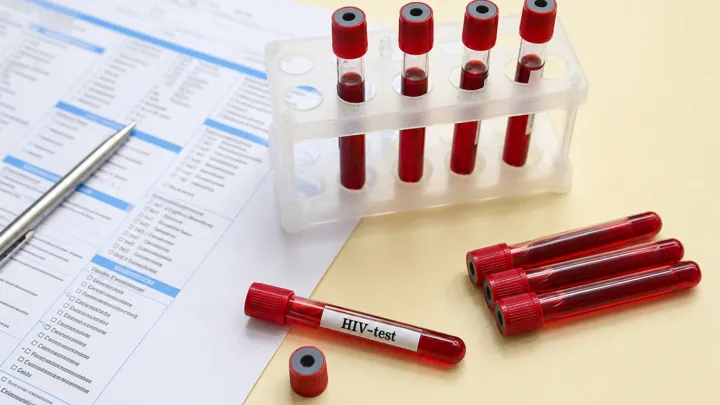
What looks like a modest count on paper in fact signals a structural blind spot, because each new case sits at the intersection of labor export policy, fragmented access to antiretroviral therapy, and weak pre‑departure counseling. Surveillance data show that most recently diagnosed workers are in sexual contact networks where condom use is inconsistent, while routine screening is often limited to sporadic enzyme immunoassay tests done only before deployment, with no systematic follow‑up once workers are abroad. For a cohort that sends home remittances and often hides medical conditions from employers and families, late diagnosis is almost built into the system.
Policy talk about migrant protection sounds hollow when viral load suppression is left to chance. Health officials now face a technical and political dilemma: expand mandatory HIV testing and risk stigma in recruitment corridors, or rely on voluntary counseling and testing programs that rarely reach seafarers, domestic staff, and construction crews on distant sites. Between remittance targets and the slow arithmetic of incidence and prevalence, the cost of inaction is measured not just in case counts but in how quietly a virus travels with every contract signed.
In the departure halls where luggage is wrapped and contracts are folded into passports, the epidemic waits in the same queues.
Loading...

