Philippines now leads ASEAN in teen HIV
2026-08-30
Reversal, not progress, defines the Philippine HIV story among adolescents. Once counted among Southeast Asian countries with relatively low infection estimates in this age group, the country is now assessed by regional agencies as having the highest incidence, a shift that signals structural failure rather than random epidemiologic drift.
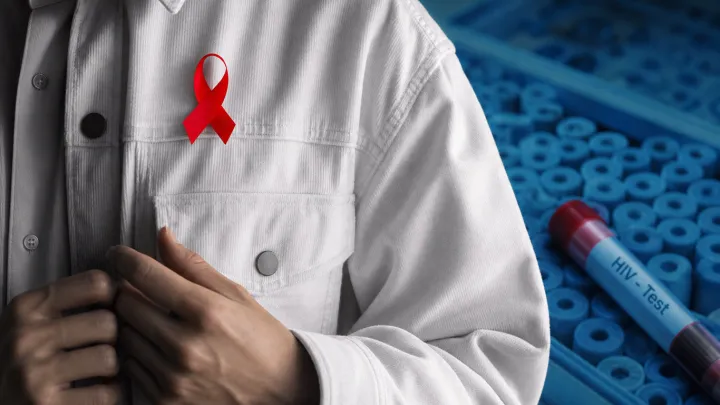
Blame falls first on prevention policy that never kept pace with adolescent behavior. Health officials report rising cases linked to unprotected sex between young men, low uptake of condoms, and delayed access to antiretroviral therapy, while age restrictions on HIV testing and stigma inside schools and families act as a kind of social cofactor, amplifying what virologists still describe in technical terms as a largely preventable blood‑borne and sexually transmitted infection.
Equally stark is the information gap. Sex education remains patchy, often stripped of explicit discussion of viral load dynamics or the protective effect of pre‑exposure prophylaxis, leaving teenagers to rely on peers and social media. International partners now frame the Philippine epidemic as the outlier in an Association of Southeast Asian Nations region where several neighbors are stabilizing adolescent rates, and the country’s new status as regional leader in incidence reads less like a statistic and more like a warning.
Loading...

