Baguio issues leptospirosis alert after deaths
2026-09-02
Four deaths tied to leptospirosis have turned a routine rainy-season hazard into a sharper warning in Baguio City. Rising case numbers, officials argue, show how quickly a waterborne infection can move when streets and slopes stay soaked after heavy rain.
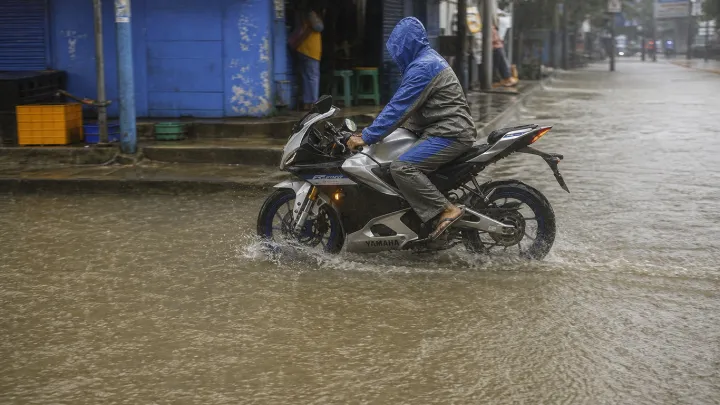
At the City Health Services Office, leptospirosis is now treated as a predictable threat, not a surprise. Sixteen suspected or confirmed cases have been recorded, according to city health officer Dr. Celia Flor Brillantes, who has ordered closer syndromic surveillance and faster reporting from clinics across the city’s barangays.
Health workers say the real risk begins when residents wade through floodwater or mud without protection. Leptospira bacteria, shed in the urine of infected animals, can enter through cuts or even intact skin, then spread via the bloodstream, damaging organs and in severe cases triggering acute kidney injury and pulmonary hemorrhage.
What alarms clinicians is how easily early signs can be dismissed. Fever and muscle pain look like routine viral illness, yet untreated leptospirosis can progress to Weil’s disease, with jaundice, hypotension, and multi‑organ failure. Officials are urging anyone exposed to contaminated water to seek prompt consultation and ask about chemoprophylaxis using appropriate antibiotics.
For the city’s health office, prevention remains the only realistic buffer. Boots and gloves, better drainage, rat control, and public awareness campaigns are being used to leverage limited resources, aiming for a closed-loop response where every reported exposure leads to risk assessment, counseling, and, when indicated, preventive medication.
Loading...

