World PCOS Day pushes silent disorder into view
2026-09-03
World PCOS Day does not exist for symbolism; it exists because a common disorder keeps being sidelined. Polycystic ovary syndrome is a hormonal and metabolic condition that affects about one in ten women of reproductive age, yet many reach adulthood before anyone names it. Behind the acronym sit irregular cycles, excess androgens, and ovarian follicles arrested in development, but also something less visible: a pattern of missed chances to intervene early.
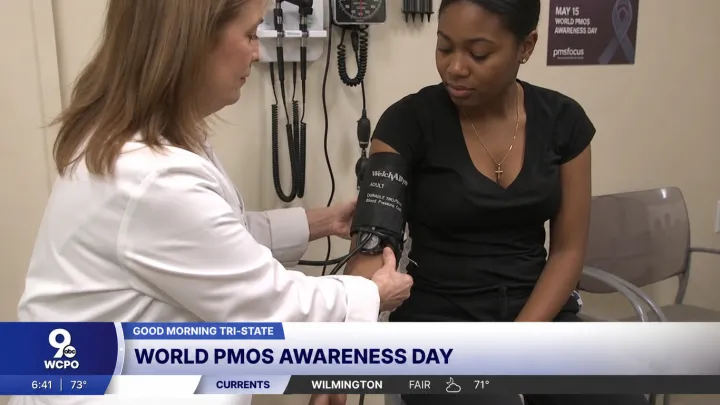
The harsh truth is that PCOS is often treated as a fertility issue when it is, in practice, a long-term health problem. Endocrinologists point to insulin resistance and hyperinsulinemia as core pathophysiology, linking PCOS to higher risks of type 2 diabetes, dyslipidemia, and cardiovascular disease. Short visits in primary care rarely unpack chronic anovulation, acne, or weight gain as a single syndrome; they are sliced into separate complaints. That fragmentation delays diagnosis and narrows treatment to cosmetic fixes or short-course contraception.
Public awareness days can feel performative, yet for PCOS the visibility is overdue. Advocacy groups now push for broader use of standardized diagnostic criteria and for routine metabolic screening, including oral glucose tolerance tests and lipid profiles, alongside reproductive care. The message is blunt: PCOS is not rare, it is not only about pregnancy, and it is not benign.
Loading...

