Single-louse secretions offer vaccine clues
2026-09-04
Salmon lice may turn from aquaculture scourge into scientific informants. A new method developed at the University of Stirling isolates secretions and excretions from single parasites, allowing researchers to map in detail what each louse exports into its host environment.
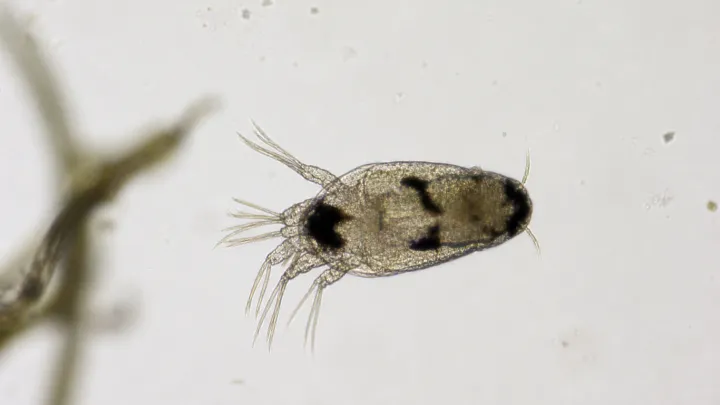
The real shift lies in scale. Instead of bulk material pooled from many lice, the Stirling protocol yields high-quality samples from one individual, which can then be interrogated by proteomics and transcriptomics to identify enzymes, immunomodulatory molecules and other effector proteins. Those molecules shape host–parasite interaction at the level of epithelial barriers and innate immune signalling, and they are prime candidates for vaccine antigens or for small-molecule inhibition.
What emerges is a cleaner experimental system than the field has tolerated so far. By tying specific secretory profiles to life stages or drug exposure, the team can trace how lice adapt to existing chemotherapeutants and where their metabolic bottlenecks sit, potentially revealing control points that are less prone to resistance. For an industry under pressure to cut chemical use and mortality, that kind of molecular precision starts to look less like academic curiosity and more like operational necessity.
Loading...

