Early Action for Cerebral Palsy
2026-09-12
Act before delay. Early intervention should begin before diagnostic certainty becomes an excuse, a Baguio health expert says, especially when persistent motor differences emerge in infancy or early childhood. Waiting can harm. Cerebral palsy arises from injury or atypical development in the immature brain, while its effects on movement, posture, and muscle tone differ sharply among children.
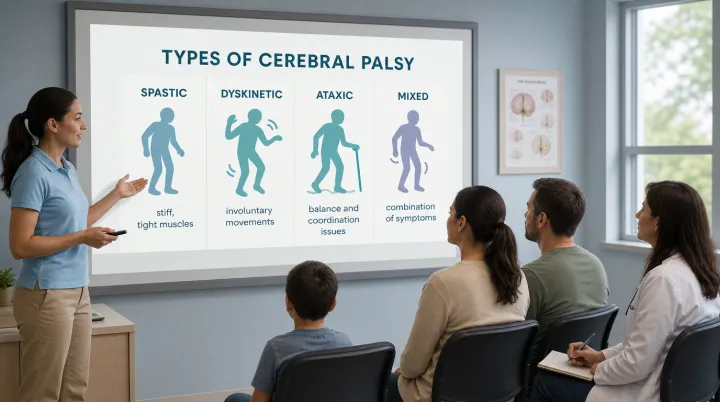
Delay carries a price. Warning signs can include poor head control, stiff or floppy limbs, feeding difficulty, hand preference before the usual developmental window, scissoring legs, and milestones that arrive unevenly, though none alone confirms the condition. Risk is not destiny. Preterm birth, low birth weight, neonatal infection, intracranial hemorrhage, stroke, and oxygen deprivation around delivery warrant developmental surveillance. Treatment is not one lane. Physiotherapy, occupational therapy, speech and feeding support, orthoses, medications for spasticity, and selected orthopedic procedures can support mobility and participation; neuroplasticity gives repeated practice room to shape function. A child's uncertain step should not become a reason to stand still.
Loading...

