Why PCOS May Become PMOS
2026-09-13
A name can mislead. Professor Terhi Piltonen argues that polycystic ovary syndrome should be recast as polycystic metabolic syndrome, or PMOS, because the familiar label directs attention toward ovaries while too often leaving insulin resistance, adiposity, and cardiometabolic risk in the margins. The proposal is not cosmetic; it changes the clinical question.
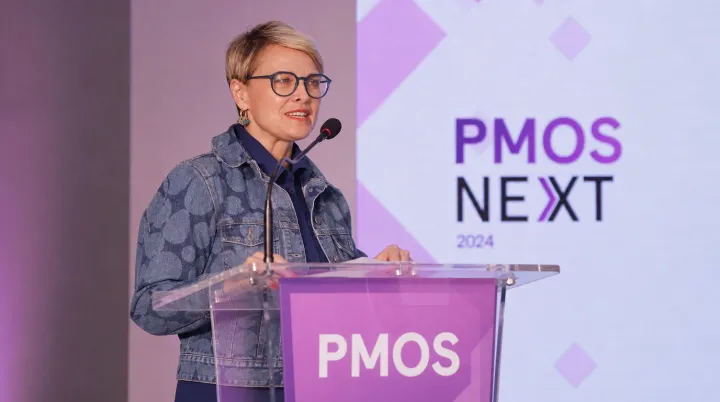
The old label is too narrow. Although ovarian dysfunction and hyperandrogenism remain diagnostic concerns, Piltonen's framing would invite endocrinology, reproductive medicine, primary care, nutrition, and mental health to share responsibility for treatment. That matters clinically. Menstrual irregularity, infertility, acne, weight change, impaired glucose regulation, and psychological distress do not arrive in separate files; they can reflect interacting endocrine and metabolic pathways. Screening for glucose, lipids, blood pressure, and mental health may then sit beside fertility care rather than outside it.
Research has paid for this fragmentation. When recruitment and outcomes are organized around fertility alone, studies can undercount cardiovascular outcomes, sleep disorders, and mental health. PMOS could press investigators toward richer phenotyping, longitudinal cohorts, and endpoints that trace insulin signaling, androgen excess, inflammation, and quality of life together. No label cures anyone. Yet a diagnosis is also an instruction to medicine: it tells clinicians which doors to open, and which specialists may never be called. The chart may gain a broader heading; whether care follows is the quieter question.
Loading...

