A Rapid Route to Revive Battery Cathodes
2026-09-15
159.49 mAh/g is the signal: chemically damaged NMC532 can regain serious charge storage without the prolonged, heat-heavy treatment commonly associated with cathode repair. Northwestern University researchers returned lithium to the material in seconds at room temperature, using a solvated electron solution drawn from the logic of the Birch reduction. The reported capacity came from regenerated material in lithium-metal half cells.
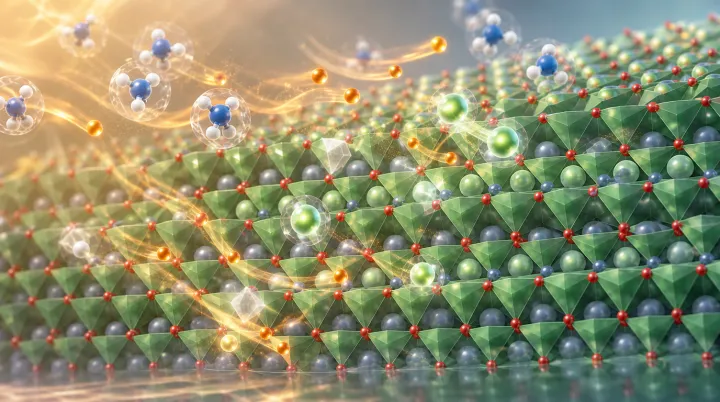
The striking part is the sequence. In the Birch reduction-inspired treatment, solvated electrons work like a root-level repair script, forcing lithium back into depleted NMC532 through relithiation before heat takes over the job. A three-hour oxygen anneal then restores the cathode's near-surface structure. It is redox chemistry running a sharp reset, followed by a controlled cleanup pass.
The caveat matters more than the headline. The group used laboratory-generated model end-of-life material, not cathodes extracted from retired batteries, where binders, contamination, and uneven aging can disrupt each reaction. Regenerated cathodes retained 94.10% of capacity after 100 cycles. If that behavior holds for recovered material, recycling could become a controlled redox workflow rather than brute-force processing.
Loading...

