Pollution's Quiet Assault on Sleep
2026-09-16
Fine particles, too small to announce themselves, can turn a city's apparently clean air into a nighttime irritant. A new study finds that brief rises in PM2.5 can register quickly in the human respiratory system, linking short-lived pollution episodes with poorer sleep even where urban air often passes for clean.
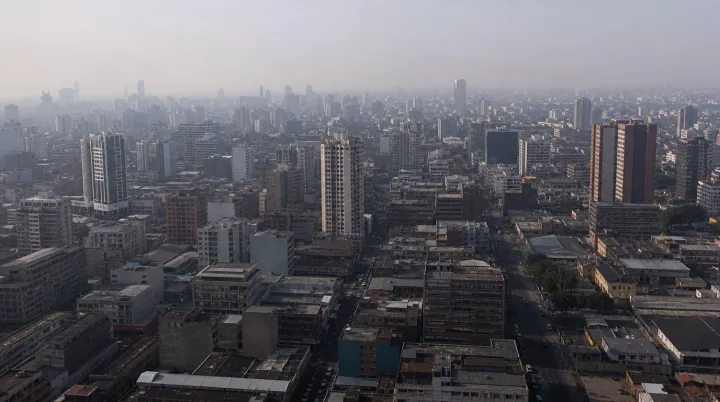
The finding is less comforting than it sounds. Fine particulate matter can enter deep lung tissue, where deposition in the alveoli may provoke pulmonary inflammation and alter gas exchange. Sleep is not an off switch. When breathing is irritated, the body can remain on alert through the night, and a modest change in outdoor air may become a private physiological burden indoors. The response can arise before official indicators convey any sense of alarm.
Clean-looking air is no alibi. By focusing on short-term fluctuations rather than annual averages alone, the research presses on a blind spot in urban health policy: residents do not inhale an average. They inhale each passing hour. Urban standards often reward long-run compliance, while bodies answer the particulate load arriving between one reading and the next. At bedside, the evidence leaves an awkward image: a closed window, a dark room, and lungs still keeping score.
Loading...

