Fiji Declares HIV Emergency
2026-09-18
One in 60 is the ratio that makes Fiji's HIV emergency impossible to dismiss. Officials say adult HIV prevalence has climbed from one in 167, and the South Pacific island nation is expanding testing. This is more than a statistical spike; it is a warning that infection has crossed too deeply into daily life to be handled as a private exception.
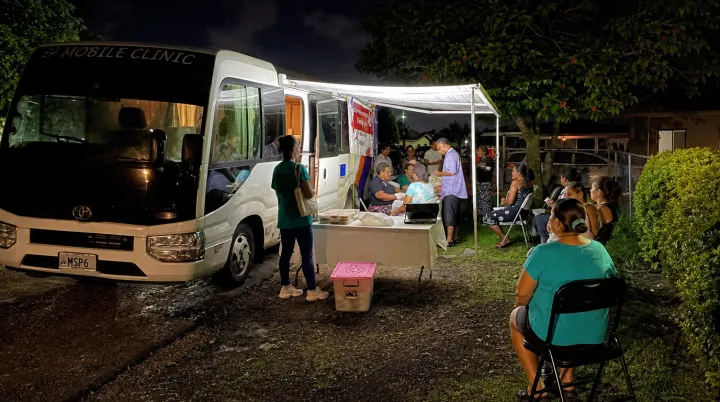
The pregnancy figure is harder to absorb. One in every 50 pregnant women has HIV, officials said, placing antenatal screening at the center of the response. In epidemiological terms, this is not merely a prevalence measure: it raises the stakes for preventing vertical transmission and for finding infections early enough for care to begin. The figure points to diagnosis before delivery and uninterrupted treatment afterward.
Testing, however, is only the first gate. An emergency declaration can concentrate attention, but its value will rest on what follows a positive result: timely linkage to care, sustained antiretroviral therapy, and services people can use without fear. A test result without such continuity is an administrative count, not a health outcome. Fiji's ratios have turned a public-health metric into a measure of social reach. The unanswered question is whether the state can find the virus before silence finds the patient.
Loading...

