Malaria Alert at Frankfurt Airport
2026-09-20
Airport malaria remains an exception, yet an outbreak linked to Frankfurt Airport shows how a sealed suitcase can turn routine mobility into an epidemiological breach. The luggage belt matters. Specialists suspect infected mosquitoes, rather than infected travelers alone, arrived inside a passenger's baggage and found conditions sufficient to bite again.
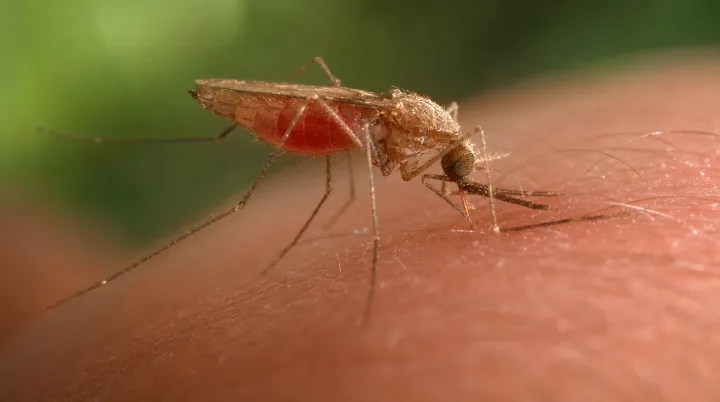
It is not magic. Malaria begins when Plasmodium parasites enter human blood through an Anopheles mosquito's bite; an imported mosquito can create local transmission without establishing a resident population. That distinction matters. The disease depends on vector competence, host exposure, and a chain of events that is rare because each link can fail. The label can mislead: the airport is not malaria's origin, but an accidental bridge between an infected insect and a person who never traveled to an endemic area. Warm indoor zones and dense passenger flows may shorten that bridge.
Complacency would be the error. Entomological surveillance and vector control must lead the inquiry, alongside rapid review of unexplained febrile illness and, where possible, parasite genotyping. Speed matters most. Inspecting routes by which insects enter cargo areas or baggage-handling spaces can limit the interval in which one vector reaches several people. Airports have long treated baggage as a security and customs problem. This event suggests a third reading: baggage can also be a vector pathway, however brief and unlikely. The cost of missing it is delayed diagnosis. Under terminal lights, a suitcase looks ordinary; that is the unsettling point.
Loading...

