Legionnaires' Disease Alert
2026-09-20
Still water is deceptive. A cooling tower can look inert while its water system does the opposite: it can aerosolize droplets carrying Legionella, the bacterium behind Legionnaires' disease. That is the unsettling logic behind a second reported New York City outbreak. Air, not a handshake, is usually the route. In water systems, Legionella can persist within biofilm, then enter the lungs through inhalation.
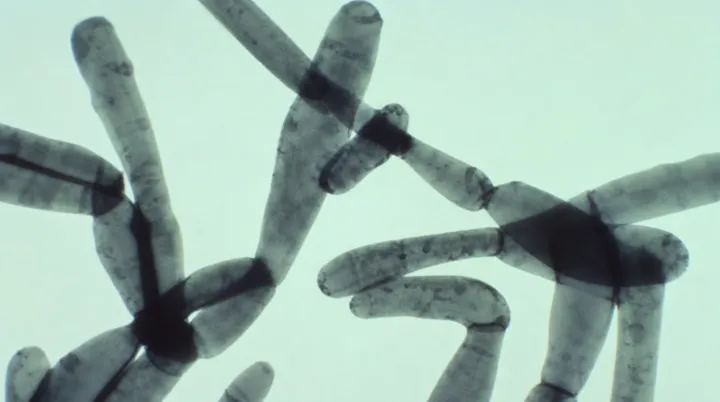
The danger is selective, not universal. Legionnaires' disease is a form of pneumonia, and its signs can resemble influenza or a respiratory infection: fever, cough, shortness of breath, muscle aches, headache, and sometimes diarrhea. Risk rises with older age, smoking, chronic lung disease, weakened immunity, or conditions that complicate recovery. Most people exposed do not become ill. Yet worsening cough or breathlessness after possible exposure deserves prompt medical assessment.
Speed matters more than panic. Doctors commonly use a urinary antigen test and, when possible, a lower-respiratory culture to identify the infection; antibiotics can treat it, especially when begun early. The public-health task is less romantic and more exacting: trace shared water exposures, sample systems, disinfect when indicated, and prevent fresh aerosolization. The tower's blank exterior offers no clue; accountability lives in the pipes.
Loading...

