Fibrates May Open Liver Cancer Defenses
2026-09-21
Fibrates may expose a weak spot in liver cancer: drugs used to manage cholesterol appear able to stop tumors from recruiting immune cells that protect them from treatment. That changes the wager. By altering lipid signaling, these medicines may make immunotherapy less prone to resistance.
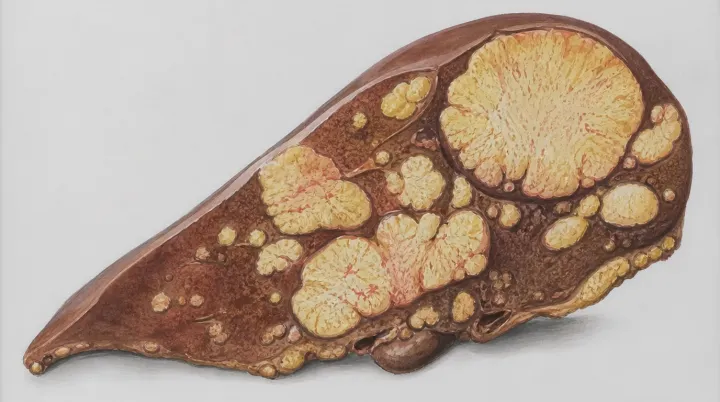
The tumor defense looks less like a wall than a corrupted access-control server. In hepatocellular carcinoma, fibrates activate peroxisome proliferator-activated receptor alpha, or PPAR-alpha, a transcriptional regulator tied to lipid metabolism. The biological target is not metaphorical. Altered PPAR-alpha signaling can interrupt chemical cues that pull immunosuppressive cells into the tumor microenvironment, where they suppress CD8 T-cell activity. The result matters. Immune checkpoint blockade works by releasing T-cell brakes, yet recruited suppressor cells can keep those T cells ineffective even after the drug arrives. Fibrates may cut that support channel.
Repurposing is the sharper idea. A familiar class of lipid drugs could give oncologists a way to pair metabolic control with immunotherapy, rather than treating resistance as an afterthought. But the gap remains wide. Findings from preclinical models must still show which fibrate, dose, tumor subtype, and immune-cell population produce benefit in patients without adding harm. The possible payoff is unusually direct. If clinical trials confirm it, therapy may move from releasing immune brakes alone to disabling the tumor's recruitment code before those brakes are released.
Loading...

