Hospital Work and a Child's Nasal Microbiome
2026-09-23
37 families offer a small but unsettling clue: children whose parents worked in healthcare carried less diverse nasal microbial communities, and the clearest separation appeared where both parents held such jobs. The signal is narrow. Yet it presses against the comforting belief that occupational exposure ends at the hospital door. The finding is not a diagnosis, but it suggests the hospital may follow home in ways infection-control manuals do not measure.
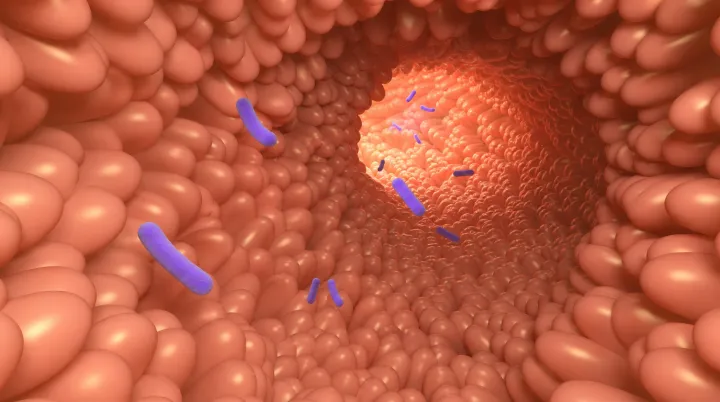
The sober reading is cautious. Porphyromonas, a bacterial genus, was significantly less abundant among children with healthcare-worker parents, while Neisseria moved in the same direction without reaching statistical significance. Those are taxa, not diagnoses. Microbial diversity describes the variety of organisms present, not a verdict on illness. Still, the two-parent result makes a casual reading difficult: a shared occupational link accompanied the larger observed difference.
That restraint matters most. A cross-sectional study records association at one point, not a route of transmission, and it cannot establish whether hospital work produced the observed pattern or whether the microbiota differences alter health. The sample was a pilot. With only 37 families, replication and longitudinal sampling must carry the argument beyond an intriguing correlation. It also cannot tell whether any difference persists, changes with age, or merely reflects conditions shared by a household. At the body's threshold, a faint microbial difference now sits where certainty ought to be.
Loading...

