Why Brabus Became a Custom-Car Name
2026-09-23
A carbon-fiber spoiler is not the reason Brabus became familiar; it is the receipt. That is the product. By turning Mercedes-Benz vehicles into louder, faster, more visibly individual machines, the German tuner made customization legible from a distance, while its name stayed attached to complete conversions rather than anonymous parts.
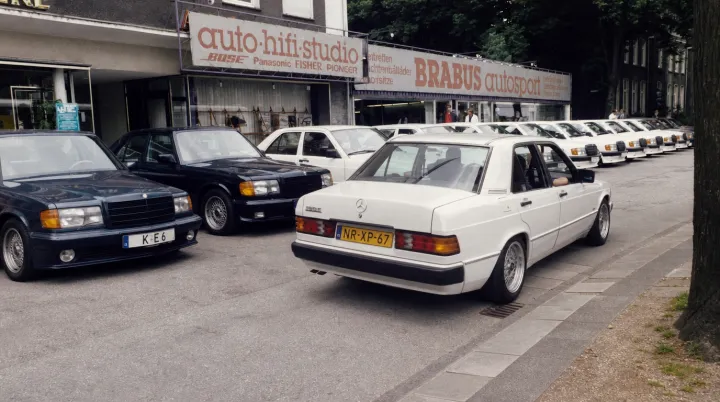
Brabus won attention by selling certainty, not merely horsepower. The firm packages engine work, exhaust systems, wheels, cabins, bodywork, and suspension into a single identity, so buyers can avoid the roulette of mismatched aftermarket suppliers. Fit still matters here. Its close association with Mercedes-Benz gives the offer a ready audience, while full-vehicle conversions, branded components, and dealer-facing distribution create a closed-loop experience from order to handover. That structure lets Brabus leverage factory-grade expectations without pretending to be the factory. The result is a moat: competitors can copy a diffuser, yet copying trust across engineering, service, and resale perception costs far more.
Fame has a price, and that price is part of the draw. Brabus trades on excess: bigger outputs, sharper visuals, and cabins that announce a private brief. Buy distinction, not noise. The zero-sum tension is obvious: as more vehicles wear the badge, scarcity weakens, so the company must keep its catalog broad enough to sell and selective enough to protect desire. For investors, dealers, and rivals, treat the name as a premium-system business, not a parts seller. Protect fit, provenance, and service, or the badge becomes just another decal.
Loading...

