Tablets Become the Hook
2026-09-24
The black glass is a warning: two newly announced tablets arrived beside a flagship phone pair, turning a product reveal into a bid for attention across screens. Not a side show. The paired launch treats the tablet as a retention tool, meant to keep buyers inside one account system, accessory catalog, and service bundle rather than handing the larger display purchase to a rival.
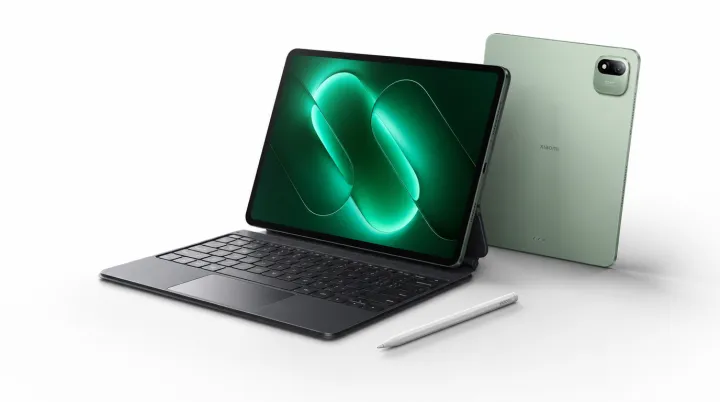
The sharper reading is commercial, not cosmetic. Two sizes let the maker segment demand without building separate stories: one can chase portable work and streaming, while the other can justify a higher basket through storage, keyboards, pens, and support plans. That is leverage. A shared operating system, synchronized files, and cross-device controls can create a closed-loop purchase path where each screen makes departure less attractive. Hardware margins remain exposed. Yet the real moat may sit in repeat sales, not the aluminum shell. The bet is expensive.
Buyers should resist the launch-day glow. The unanswered questions are price, display quality, battery endurance, processor limits, software support, and whether accessories ship as standard or become a toll booth. Specs decide trust. For managers tracking the sector, watch attachment rates and replacement cycles, not applause. Treat the twin tablets as a zero-sum grab for household screen time; if the bundle fails to reduce friction, the cost of carrying two models will outweigh its return.
Loading...

